TEL: 0086-311-88862036






Jan . 29, 2025 01:22
Back to list
common food preservatives
Navigating the landscape of food preservation, consumers often encounter a plethora of preservatives that promise extended shelf life and convenient storage solutions. Understanding the common food preservatives used in the market today not only empowers consumers with the knowledge of their dietary intake but also assures them of the safety and efficacy of these compounds. With the prevalence of processed and packaged foods in our diets, exploring the world of food preservatives becomes imperative for anyone seeking to make informed food choices.
Nitrites and nitrates, predominantly used in cured meats, have a storied history intertwined with debates over health safety. Their critical role in preserving meats, coupled with imparting flavors and color retention, has entrenched them in the food processing industry. The conversation around nitrites and nitrates doesn't escape scrutiny; their potential to form nitrosamines, compounds implicated in health concerns, warrants careful manufacturing supervision. Notwithstanding, their controlled and regulated use presents a valuable balance between extending food safety and addressing health considerations. Sorbic acid and its salts, known for their broad spectrum of antimicrobial activity, excel at conserving dairy and bakery products. This preservative's non-ionized form penetrates microbial cells more effectively, inhibiting growth and extending product shelf life and safety. Consumers often see sorbic acid in cheese, baked goods, and wines, where it serves efficiently without altering the flavor profile of the products. The food industry values sorbic acid not only for its preservative function but also for its safety, with leading food safety organizations underscoring its low risk for consumers. Navigating the intricate interplay of preservatives within our foods involves a balance between extending the freshness and safety of our diets while ensuring health remains paramount. Consumers should adopt a discerning eye towards ingredient labels and stay informed about ongoing research that may influence perceptions and regulations of these preservatives. Trust in food safety is cultivated through transparency, credible research, and adherence to regulatory standards. By understanding these common food preservatives, consumers can confidently navigate their dietary choices, enriched by knowledge and reassurance in food safety protocols.

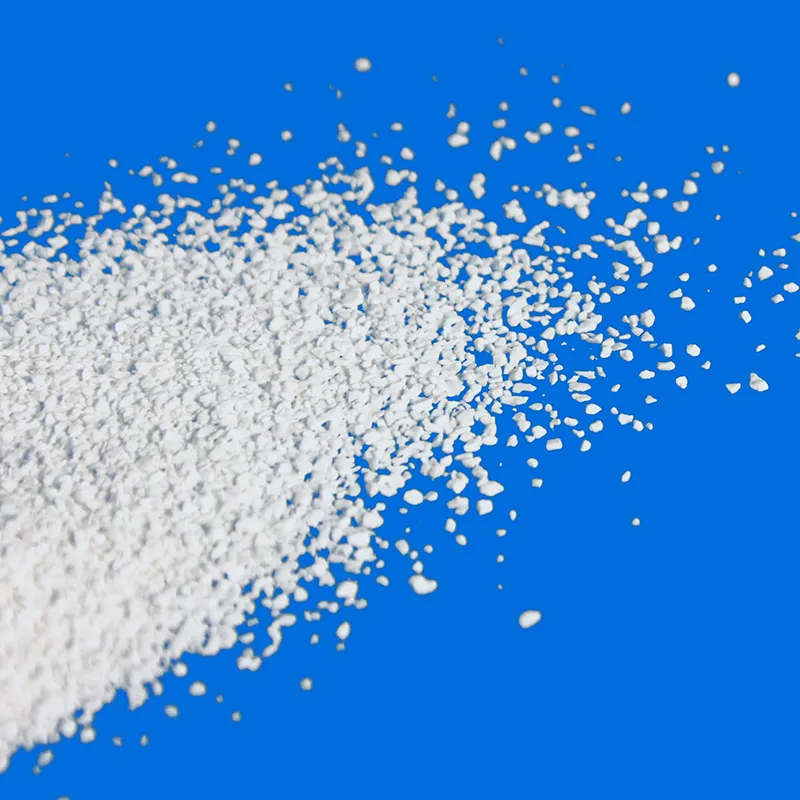
Nitrites and nitrates, predominantly used in cured meats, have a storied history intertwined with debates over health safety. Their critical role in preserving meats, coupled with imparting flavors and color retention, has entrenched them in the food processing industry. The conversation around nitrites and nitrates doesn't escape scrutiny; their potential to form nitrosamines, compounds implicated in health concerns, warrants careful manufacturing supervision. Notwithstanding, their controlled and regulated use presents a valuable balance between extending food safety and addressing health considerations. Sorbic acid and its salts, known for their broad spectrum of antimicrobial activity, excel at conserving dairy and bakery products. This preservative's non-ionized form penetrates microbial cells more effectively, inhibiting growth and extending product shelf life and safety. Consumers often see sorbic acid in cheese, baked goods, and wines, where it serves efficiently without altering the flavor profile of the products. The food industry values sorbic acid not only for its preservative function but also for its safety, with leading food safety organizations underscoring its low risk for consumers. Navigating the intricate interplay of preservatives within our foods involves a balance between extending the freshness and safety of our diets while ensuring health remains paramount. Consumers should adopt a discerning eye towards ingredient labels and stay informed about ongoing research that may influence perceptions and regulations of these preservatives. Trust in food safety is cultivated through transparency, credible research, and adherence to regulatory standards. By understanding these common food preservatives, consumers can confidently navigate their dietary choices, enriched by knowledge and reassurance in food safety protocols.
Latest news
-
Aspartame Buyer FAQ: Sweetness, Specifications and ApplicationsNewsNov.02,2026
-
Aluminum Hydroxide FAQ: Specifications, Ordering and Support QuestionsNewsOct.28,2026
-
Improve Crop Yield with Premium Calcium Boron FertilizerNewsJul.01,2026
-
Ultimate Guide to Cal Mag Fertilizer for Boosting Plant HealthNewsJun.29,2026
-
Maximize Crop Recovery Using High Performance Bounce Back FertilizerNewsJun.27,2026
-
Maximize Crop Yields and Soil Health with Biozyme FertilizerNewsJun.26,2026
-
Sustainable Agriculture Guide using bio organic fertilizerNewsJun.25,2026
HOT PRODUCTS
Hebei Tenger Chemical Technology Co., Ltd. focuses on the chemical industry and is committed to the export service of chemical raw materials.
-

view more Tplyltriazole(TTA)Tplyltriazole is a powerful and versatile corrosion inhibitor,it is a white particle or powder that is easily hygroscopic and can be processed into large, small, columnar, fine, or powdered shapes.It is a highly effective solution for preventing rust and corrosion on a variety of metal surfaces, making it an ideal choice for a wide range of applications. -

view more Formic AcidFormic acid, is a colorless, pungent-smelling liquid.With its unique properties and diverse applications that serves a wide range of industrial and commercial applications. -

view more Aluminum HydroxideAluminum Hydroxide, a versatile and essential product for a wide range of applications.This product is a white, amorphous powder that is insoluble in water and has a variety of uses in industries such as pharmaceuticals, cosmetics, and manufacturing.