





Exploring the Effects and Uses of E410 Food Additive in Modern Cuisine
Understanding E410 A Comprehensive Look at Food Additive
Food additives play a crucial role in modern food production by enhancing flavors, improving textures, and prolonging shelf life. Among these additives, E410, primarily known as carob bean gum or locust bean gum, has gained significant attention. Derived from the seeds of the carob tree (Ceratonia siliqua), this additive is widely used in the food industry for its unique thickening and gelling properties.
What is E410?
E410 is classified as a thickening agent, stabilizer, and gelling agent. It is derived from the seeds of the carob tree, found primarily in Mediterranean regions. The seeds are processed to extract gum, which consists mainly of galactomannans, a type of polysaccharide. This compound is characterized by its ability to form a gel-like consistency when mixed with water, making it an invaluable ingredient in a variety of food products.
Uses of E410 in Food Products
E410 is utilized in a diverse range of food applications. Common uses include
1. Dairy Products Carob bean gum aids in stabilizing and thickening dairy products such as ice cream, yogurt, and cheese. It enhances the creaminess and prevents the formation of ice crystals, thereby maintaining a smooth texture.
2. Confectionery In candies and desserts, E410 is employed to improve mouthfeel and maintain moisture levels. It helps achieve the desired consistency in gummy candies and chewy products.
3. Baked Goods E410 can support the structure of baked goods while retaining moisture, prolonging the freshness of items such as cakes, pastries, and bread.
4. Sauces and Dressings The additive acts as a stabilizer in sauces and salad dressings, preventing separation and ensuring a uniform texture.
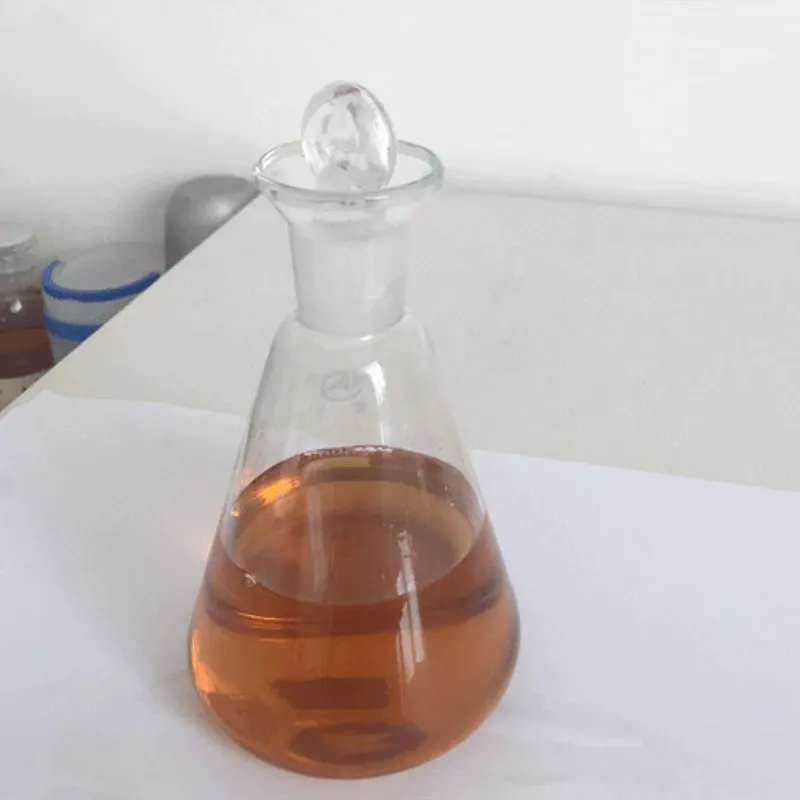
e410 food additive
Safety and Regulatory Status
E410 is generally recognized as safe (GRAS) when used in food products. Regulatory authorities, including the European Food Safety Authority (EFSA) and the U.S. Food and Drug Administration (FDA), have evaluated its safety profile and established acceptable daily intake levels. The additive is absorbed minimally in the human digestive tract, making it unlikely to cause adverse health effects when consumed in typical amounts found in food.
However, some individuals may experience sensitivities or allergic reactions to carob bean gum, although such cases are relatively rare. Generally, it is considered safe for most consumers, including those on gluten-free diets, as it is naturally gluten-free.
Benefits of E410
1. Natural Source As a plant-derived ingredient, E410 appeals to consumers seeking natural and clean label products. It serves as an alternative to synthetic additives, aligning with the growing demand for healthier food choices.
2. Texture Enhancement E410 significantly improves the texture of various food products, making them more enjoyable to consume. Its gelling properties allow manufacturers to create mouthfeel variations that enhance product appeal.
3. Stability The stabilizing properties of E410 help maintain the quality and consistency of food products, ensuring they remain commercially viable over longer periods without compromising on taste or texture.
Conclusion
E410, or carob bean gum, is a versatile food additive that plays an essential role in improving the texture, stability, and overall quality of many food products. As consumers become more health-conscious and interested in natural ingredients, E410 stands out as a desirable thickening and gelling agent in the food industry. Its safety, functionality, and effectiveness make it a valuable tool for food manufacturers, contributing to the creation of high-quality products that satisfy consumer preferences. As we move towards a future that increasingly embraces transparency in food production, E410 remains a noteworthy example of how natural ingredients can enhance our culinary experiences.
-
How to Choose Dimethyl Disulfide DMDS for Industrial UseNewsNov.09,2026
-
Aspartame Buyer FAQ: Sweetness, Specifications and ApplicationsNewsNov.02,2026
-
Aluminum Hydroxide FAQ: Specifications, Ordering and Support QuestionsNewsOct.28,2026
-
Improve Crop Yield with Premium Calcium Boron FertilizerNewsJul.01,2026
-
Ultimate Guide to Cal Mag Fertilizer for Boosting Plant HealthNewsJun.29,2026
-
Maximize Crop Recovery Using High Performance Bounce Back FertilizerNewsJun.27,2026
-
Maximize Crop Yields and Soil Health with Biozyme FertilizerNewsJun.26,2026
Hebei Tenger Chemical Technology Co., Ltd. focuses on the chemical industry and is committed to the export service of chemical raw materials.
-

view more Tplyltriazole(TTA)Tplyltriazole is a powerful and versatile corrosion inhibitor,it is a white particle or powder that is easily hygroscopic and can be processed into large, small, columnar, fine, or powdered shapes.It is a highly effective solution for preventing rust and corrosion on a variety of metal surfaces, making it an ideal choice for a wide range of applications. -

view more Formic AcidFormic acid, is a colorless, pungent-smelling liquid.With its unique properties and diverse applications that serves a wide range of industrial and commercial applications. -

view more Aluminum HydroxideAluminum Hydroxide, a versatile and essential product for a wide range of applications.This product is a white, amorphous powder that is insoluble in water and has a variety of uses in industries such as pharmaceuticals, cosmetics, and manufacturing.