





sweeteners 950 952 955
Understanding Sweeteners E950, E952, and E955
In the landscape of food additives, sweeteners hold a significant place, particularly for consumers who are health-conscious or managing dietary restrictions like diabetes. Among various artificial sweeteners, E950 (Acesulfame K), E952 (Cyclamic Acid and its salts), and E955 (Sucralose) are the most prominent. This article delves into these sweeteners, exploring their characteristics, applications, and safety profiles.
E950 Acesulfame K
Acesulfame K, commonly referred to as Acesulfame Potassium or simply Acesulfame K, is an artificial sweetener first discovered in 1967. It is approximately 200 times sweeter than sucrose (table sugar) and is often utilized in combination with other sweeteners to enhance sweetness without the calories.
One of the key advantages of Acesulfame K is its stability under heat, making it suitable for a variety of applications, including baked goods and beverages. Additionally, it does not contribute to tooth decay, which is an appealing feature for manufacturers of sugar-free products. E950 can be found in a wide array of food items such as soft drinks, chewing gum, and even pharmaceutical products.
The safety of Acesulfame K has been extensively studied, with regulatory bodies like the European Food Safety Authority (EFSA) and the U.S. Food and Drug Administration (FDA) declaring it safe for human consumption within established daily intake limits. However, some studies have raised concerns about the potential long-term effects of consuming high quantities of artificial sweeteners, although definitive conclusions remain elusive.
E952 Cyclamic Acid and its Salts
Cyclamic acid, or its salts (sodium and calcium cyclamate), is another artificial sweetener that has faced scrutiny and debate. This sweetener is approximately 30 to 50 times sweeter than sugar and has been used since the 1950s. Cyclamates were popular in the past, especially in diet sodas, but their use has been significantly restricted or banned in several countries, including the United States, due to studies suggesting a potential link to cancer in animal models.
sweeteners 950 952 955
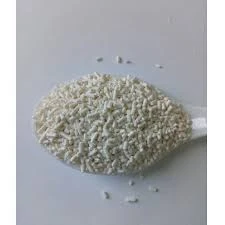
However, in regions where Cyclamate is still permitted, such as Europe and some parts of Asia, it is often used in conjunction with other sweeteners to enhance the overall flavor profile. Its taste is noted to have a slightly bitter aftertaste, which leads manufacturers to blend it with other sweeteners more palatable.
Regulatory assessments have led to a complex status for cyclamates, with ongoing research necessary to fully understand the implications of long-term consumption. Consumers should remain informed and cautious regarding products containing E952, especially those produced in regions where it is less regulated.
E955 Sucralose
Sucralose, known by its food additive code E955, is a relatively newer sweetener, developed in 1976 and introduced to the market under the brand name Splenda. Its unique feature lies in its sugar-like taste and its stability in both heat and acidic conditions, allowing it to be used in various cooking and baking applications without losing sweetness.
Sucralose is about 600 times sweeter than sugar, which allows for its use in very small amounts. It is commonly found in low-calorie and sugar-free products, including baked goods, beverages, and even dietary supplements. One of the highlighted benefits of Sucralose is that it passes through the body without being metabolized, leading to no caloric contribution.
Regulatory agencies, including EFSA and FDA, have reviewed numerous studies regarding the safety of sucralose, concluding that it is safe for human consumption. Nonetheless, there have been discussions around its long-term effects and potential impacts on gut health, emphasizing the need for ongoing research.
Conclusion
The introduction of sweeteners such as E950, E952, and E955 offers options for those seeking to reduce sugar intake without sacrificing sweetness. While these sweeteners can fit well into a balanced diet, consumers should stay informed about their safety profiles and the varying regulations in different countries. Moderation and awareness remain key factors, enabling individuals to make choices that align with their health goals and preferences.
-
How to Choose Dimethyl Disulfide DMDS for Industrial UseNewsNov.09,2026
-
Aspartame Buyer FAQ: Sweetness, Specifications and ApplicationsNewsNov.02,2026
-
Aluminum Hydroxide FAQ: Specifications, Ordering and Support QuestionsNewsOct.28,2026
-
Improve Crop Yield with Premium Calcium Boron FertilizerNewsJul.01,2026
-
Ultimate Guide to Cal Mag Fertilizer for Boosting Plant HealthNewsJun.29,2026
-
Maximize Crop Recovery Using High Performance Bounce Back FertilizerNewsJun.27,2026
-
Maximize Crop Yields and Soil Health with Biozyme FertilizerNewsJun.26,2026
Hebei Tenger Chemical Technology Co., Ltd. focuses on the chemical industry and is committed to the export service of chemical raw materials.
-

view more Tplyltriazole(TTA)Tplyltriazole is a powerful and versatile corrosion inhibitor,it is a white particle or powder that is easily hygroscopic and can be processed into large, small, columnar, fine, or powdered shapes.It is a highly effective solution for preventing rust and corrosion on a variety of metal surfaces, making it an ideal choice for a wide range of applications. -

view more Formic AcidFormic acid, is a colorless, pungent-smelling liquid.With its unique properties and diverse applications that serves a wide range of industrial and commercial applications. -

view more Aluminum HydroxideAluminum Hydroxide, a versatile and essential product for a wide range of applications.This product is a white, amorphous powder that is insoluble in water and has a variety of uses in industries such as pharmaceuticals, cosmetics, and manufacturing.