







أخبار
-
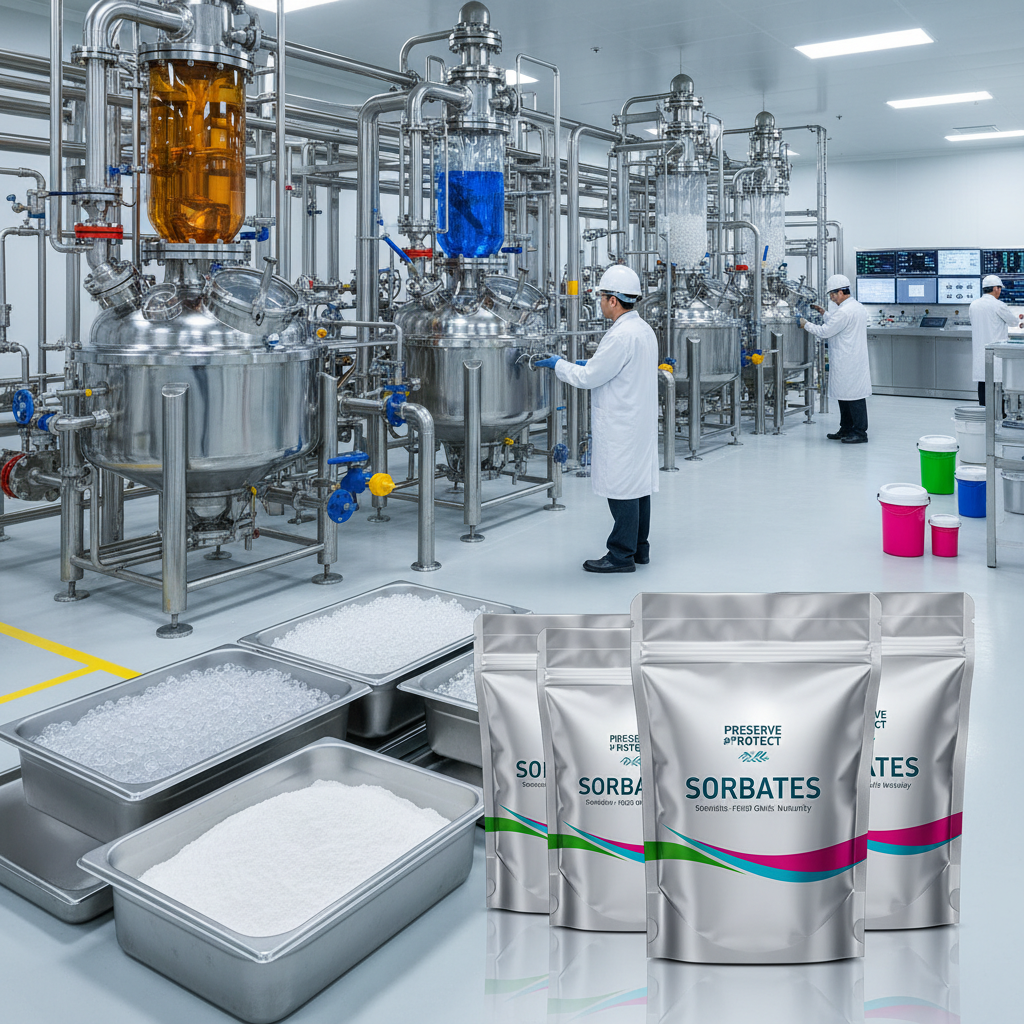 In the modern food industry, maintaining freshness and ensuring consumer safety are top priorities. The use of sorbates as food preservatives has become a cornerstone for manufacturers looking to inhibit the growth of molds and yeasts without compromising the taste or quality of their products. These chemical compounds, primarily potassium sorbate and sorbic acid, offer a highly effective way to extend shelf life and reduce food waste globally. Understanding how these preservatives work and where they are most effective is key to optimizing food formulation and safety standards.اقرأ أكثر
 -
 In the competitive landscape of food science and cosmetic formulation, maintaining product stability and shelf life is a critical challenge. The sorbate preservative has emerged as one of the most trusted antimicrobial agents worldwide. Known for its exceptional ability to inhibit the growth of molds and yeasts without altering the taste or appearance of the end product, it is a staple in everything from artisanal cheeses to high-end skincare. Understanding the chemistry and application of this preservative is essential for manufacturers aiming to ensure consumer safety and reduce waste. This guide explores the multifaceted benefits and technical specifications of sorbate-based preservation.اقرأ أكثر
 -
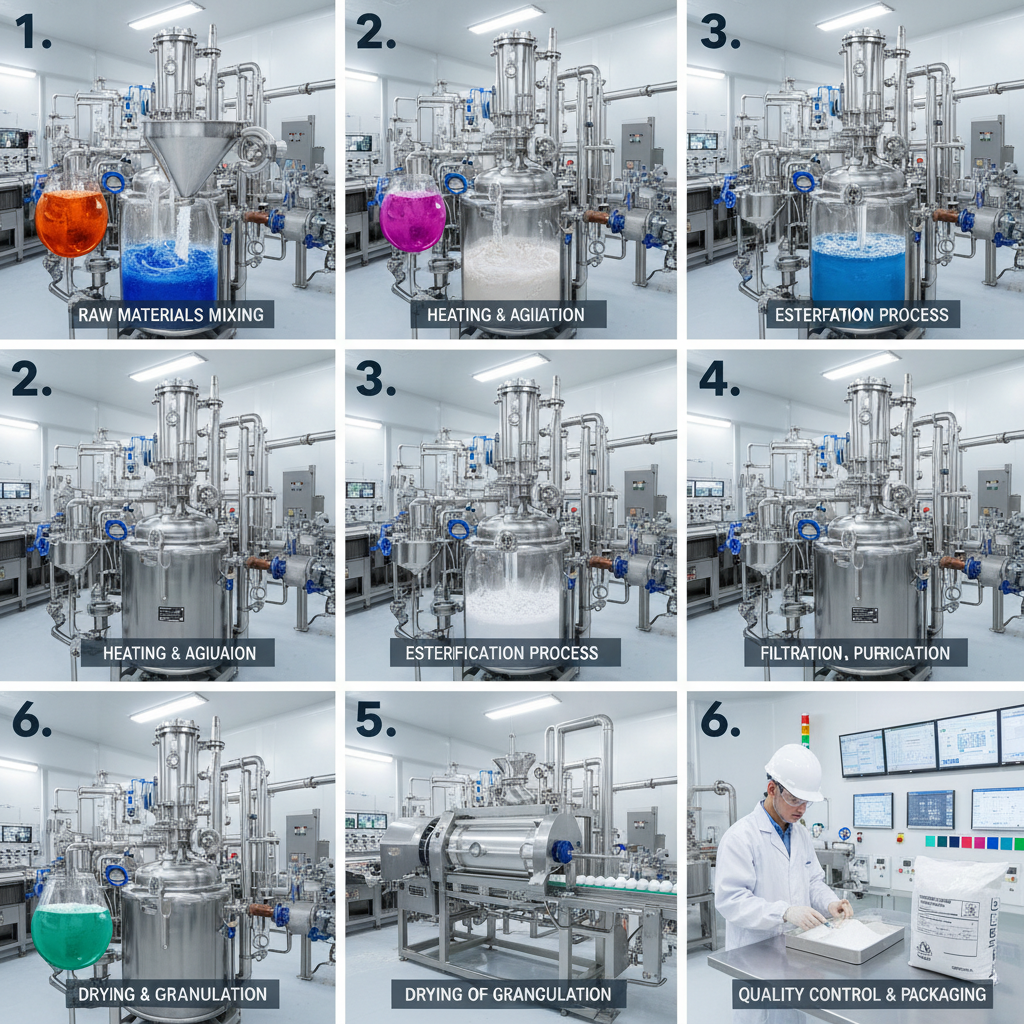 Sodium Stearoyl Lactylate (SSL) is a versatile food additive widely used as an emulsifier, stabilizer, and dough conditioner. Its ability to enhance texture and shelf life makes it crucial in bakery products, dairy, and other food applications. Understanding its properties and applications is essential for food manufacturers and ingredient suppliers. This article will delve into the details of SSL, covering its benefits, uses, and sourcing from a trusted supplier like Tenger Chemical, ensuring quality and consistency in your products.اقرأ أكثر
 -
 Sodium cyclamate is a widely used artificial sweetener, approximately 30-50 times sweeter than sucrose. Its stability and low cost have made it a popular choice in various food and beverage applications. This article will provide an in-depth look at sodium cyclamate, including its properties, applications, safety profile, and sourcing.اقرأ أكثر
 -
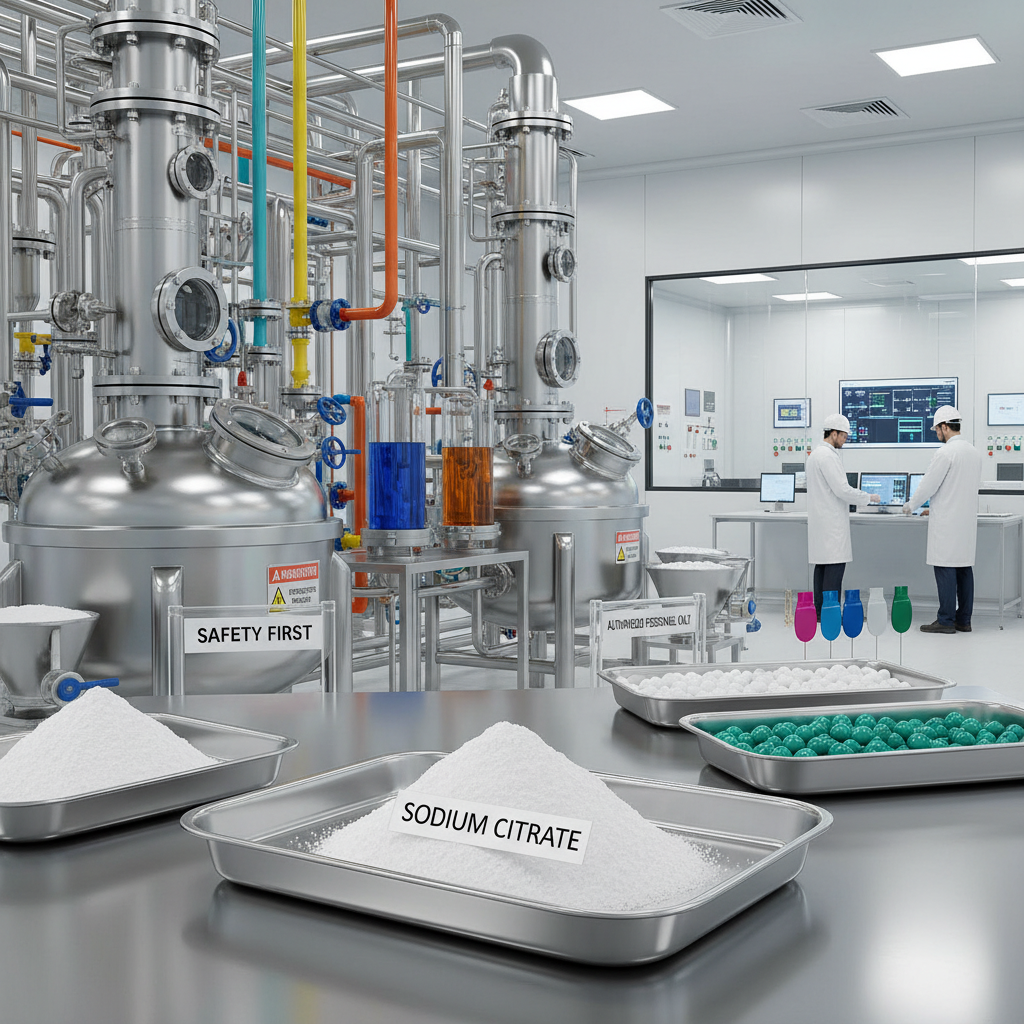 Sodium citrate is a versatile compound widely used in the food industry as a preservative, flavoring agent, and pH regulator. Its applications span numerous food and beverage products, enhancing their taste, texture, and shelf life. Understanding the properties and uses of sodium citrate is crucial for food manufacturers and anyone interested in food science. This article provides an in-depth exploration of this important food additive, covering its benefits, applications, safety, and sourcing options.اقرأ أكثر
 -
 Sodium bicarbonate, commonly known as baking soda, is a versatile compound with a wide range of applications, notably as a food additive. Its properties make it invaluable in the food industry, impacting texture, leavening, and preservation. This article explores the multifaceted role of sodium bicarbonate in food, its benefits, safety considerations, and applications. We'll delve into why it remains a staple ingredient for both home cooks and large-scale food manufacturers.اقرأ أكثر
 -
 In the dynamic world of cosmetic formulation, preservation is paramount. Sodium benzoate is a widely used preservative, appreciated for its effectiveness and relatively low cost. This article delves into the properties, applications, safety considerations, and regulatory aspects of sodium benzoate as a cosmetic ingredient. We’ll explore its benefits, potential drawbacks, and how it compares to other preservative options. Understanding sodium benzoate is essential for both cosmetic manufacturers and consumers alike. Sodium benzoate is the sodium salt of benzoic acid. It functions as a preservative by inhibiting the growth of bacteria, yeast, and mold in cosmetic products. It's most effective in acidic environments (pH 3.0-6.0). The preservative works by entering the cell of microorganisms and disrupting their ability to function. This prevents spoilage and extends the shelf life of cosmetics. Sodium benzoate is found in a diverse array of cosmetic products, including lotions, creams, shampoos, conditioners, makeup, sunscreens, and even toothpaste. Its versatility makes it a popular choice for manufacturers. It’s particularly valuable in water-based formulations where microbial growth is more likely.اقرأ أكثر
 -
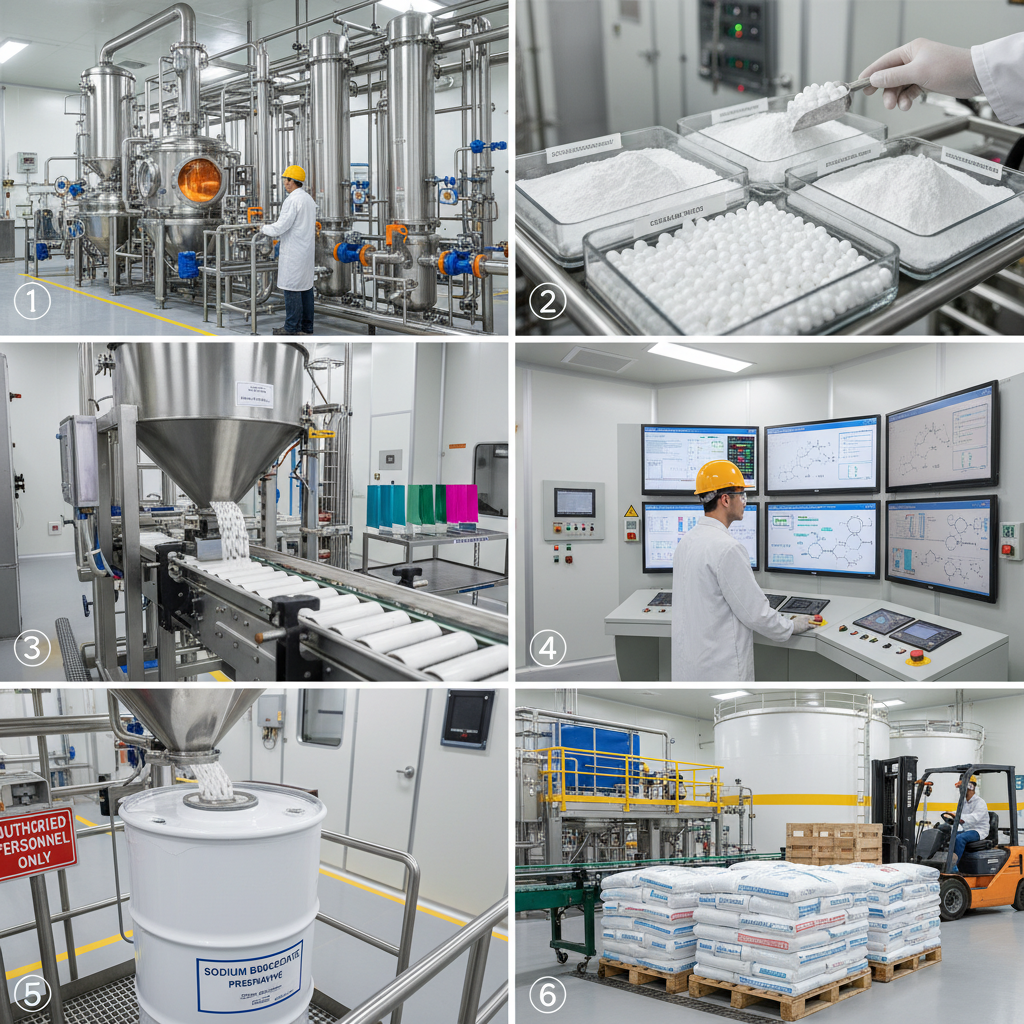 Sodium benzoate is a widely used preservative in food, beverages, cosmetics, and pharmaceuticals. Its effectiveness in inhibiting the growth of bacteria, yeast, and mold makes it a crucial ingredient for extending product shelf life and maintaining quality. This article will delve into the properties, applications, safety considerations, and sourcing of sodium benzoate, offering a thorough understanding for businesses and consumers alike. Understanding its role in preservation is essential for those involved in product formulation and supply chains. Sodium benzoate (C₇H₅NaO₂) is the sodium salt of benzoic acid. It functions as a preservative by lowering the pH level within a product, creating an environment unfavorable for microbial growth. Specifically, it penetrates the cell membranes of microorganisms, interfering with their ability to function and reproduce. It is most effective at acidic pH levels (below 4.5). The applications of sodium benzoate are extensive. In the food and beverage industry, it's commonly found in acidic foods such as carbonated drinks, salad dressings, pickles, fruit juices, and jams.اقرأ أكثر
 -
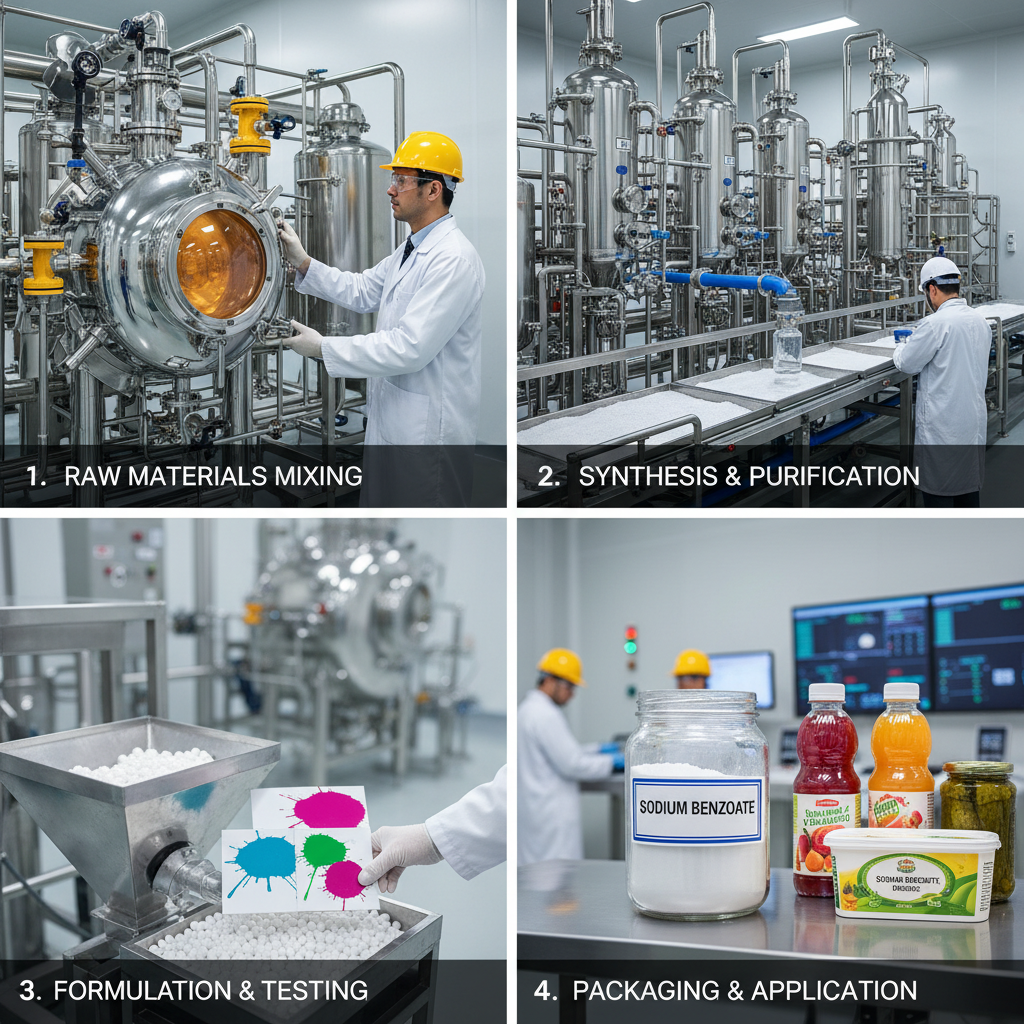 In the world of food science, pharmaceuticals, and even cosmetics, preserving product integrity is paramount. Sodium benzoate is a widely used preservative, playing a crucial role in extending shelf life and maintaining quality. This article will explore the properties, applications, safety aspects, and regulatory status of sodium benzoate, providing a thorough overview for businesses and consumers alike. Understanding this versatile compound is key to ensuring product safety and longevity. Crucially, it’s highly soluble in water. Its primary function is to inhibit the growth of mold, yeast, and some bacteria, thereby preventing spoilage. This makes it a popular choice in a diverse range of products. The effectiveness of sodium benzoate is pH-dependent, functioning best in acidic environments (pH below 4.5). It is an incredibly effective tool when used correctly, and Tenger Chemical provides high-quality sodium benzoate for a variety of industrial needs.اقرأ أكثر
 -
 In the food, beverage, and personal care industries, maintaining product shelf life and safety is paramount. Sodium benzoate and potassium sorbate are widely used preservatives that play a critical role in preventing spoilage and extending product freshness. This article will delve into the properties, applications, safety considerations, and differences between these two essential preservatives. Understanding these compounds is vital for manufacturers and consumers alike. Let’s explore how Tenger Chemical can supply your business with high-quality preservatives. Sodium benzoate (C7H5NaO2) is the sodium salt of benzoic acid. It’s a white crystalline powder with a slight characteristic odor. Its primary function is as a preservative, inhibiting the growth of mold, yeast, and certain bacteria. It's particularly effective in acidic environments (pH below 4.5). Common applications include carbonated beverages, fruit juices, pickles, salad dressings, jams, and jellies. It’s also found in some cosmetic and pharmaceutical products. The effectiveness of sodium benzoate stems from its ability to penetrate cell membranes and disrupt microbial metabolism.اقرأ أكثر
 -
 Sulfur dioxide (SO2) is a widely used preservative in various industries, including food and beverage, pharmaceuticals, and wastewater treatment. Its effectiveness in inhibiting microbial growth and preventing oxidation makes it a valuable asset. This article provides a comprehensive overview of SO2 preservative, covering its properties, applications, safety considerations, and sourcing options. Understanding SO2's role is crucial for maintaining product quality and extending shelf life. Whether you're involved in winemaking, food processing, or industrial applications, this guide offers insights into optimizing SO2 usage. Sulfur dioxide (SO2) is a colorless gas with a pungent odor. It's a chemical compound composed of sulfur and oxygen. Its primary function as a preservative stems from its ability to dissolve in water, forming sulfurous acid (H2SO3). This acidic environment inhibits the growth of bacteria, yeasts, and molds, effectively preventing spoilage. SO2 also acts as an antioxidant, preventing enzymatic browning and oxidation reactions that can affect color, flavor, and nutritional value.اقرأ أكثر
 -
 Sulfur dioxide (SO2) is a widely used preservative in the food and beverage industry, prized for its antimicrobial and antioxidant properties. This article will delve into the applications, benefits, safety considerations, and regulations surrounding SO2 food preservative, offering a detailed overview for food producers, quality control personnel, and consumers alike. Understanding its role is crucial for maintaining food safety and extending shelf life. SO2, in its various forms (sulfurous acid, sodium sulfite, sodium bisulfite, potassium bisulfite, etc.), works by inhibiting the growth of bacteria, yeasts, and molds. It’s particularly effective in preventing enzymatic browning, preserving color, and maintaining flavor. It achieves this by interfering with microbial respiration and acting as an antioxidant, protecting against oxidation reactions that cause spoilage. This makes it a vital component in preserving a wide array of food products. The effectiveness of SO2 directly impacts food quality and reduces waste. The applications of SO2 are incredibly diverse. It’s commonly used in dried fruits (apricots, raisins), wines, fruit juices, cider, sausages, and processed potatoes.اقرأ أكثر