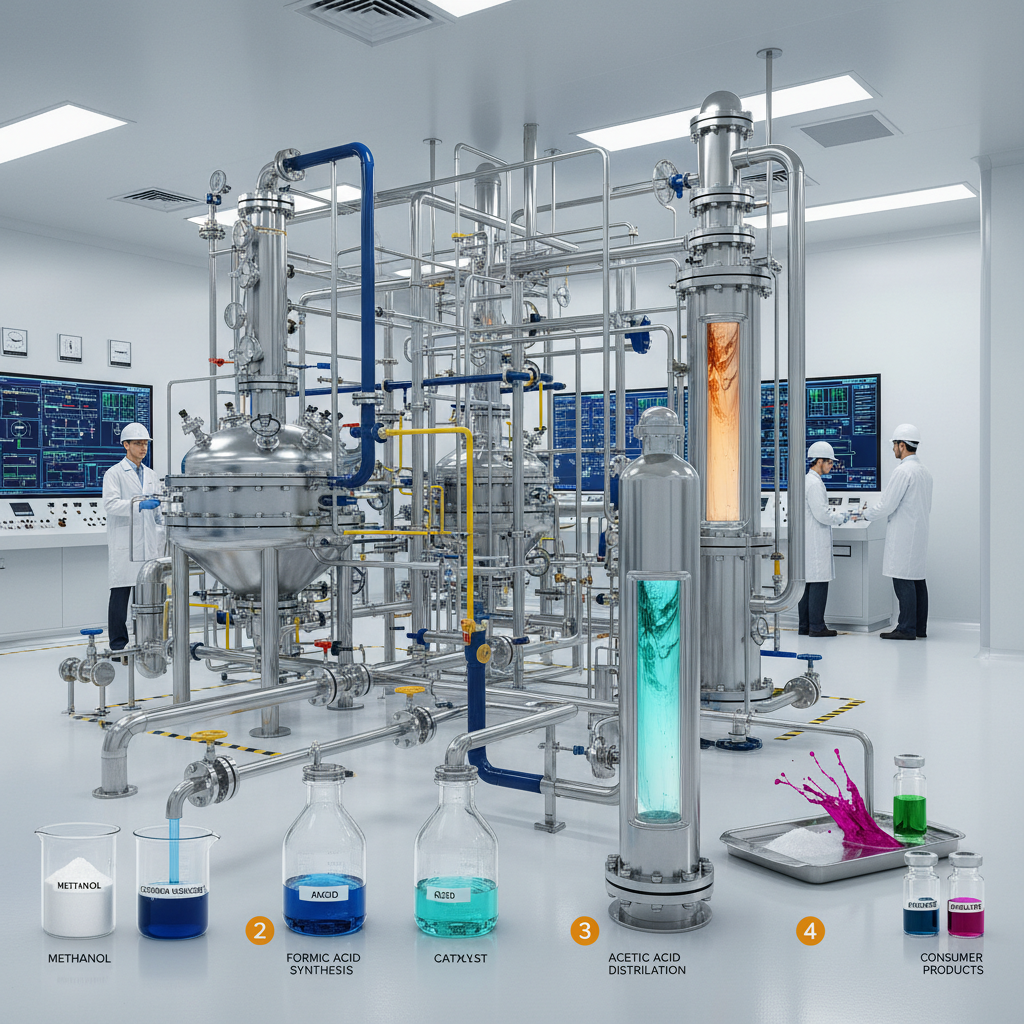
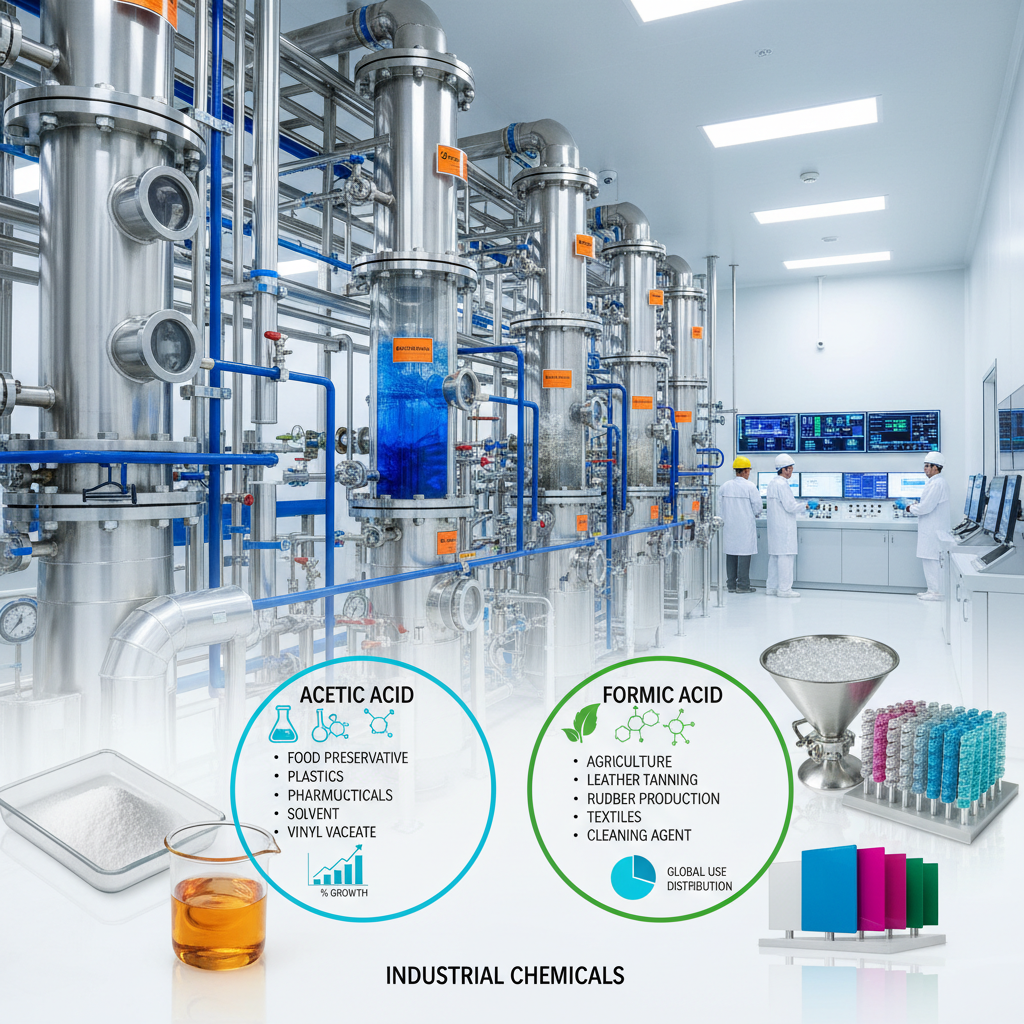
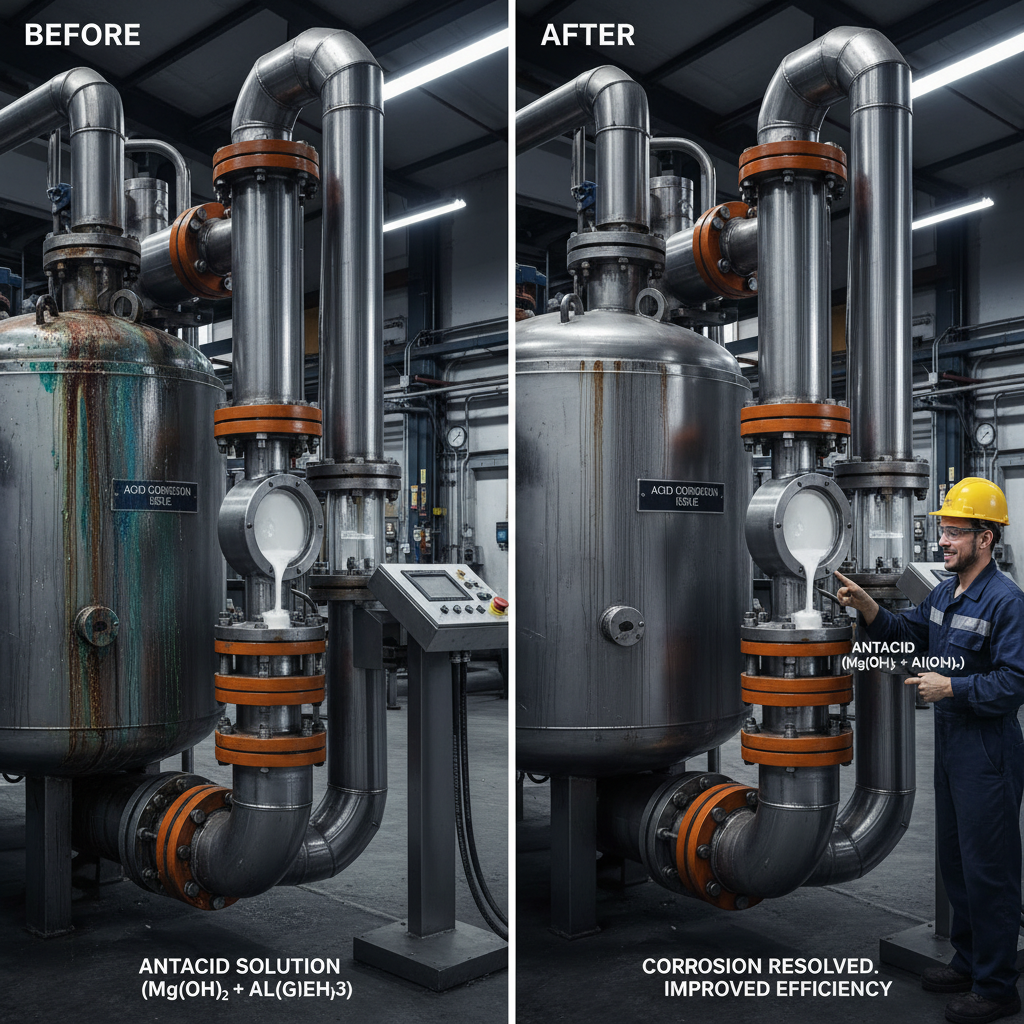
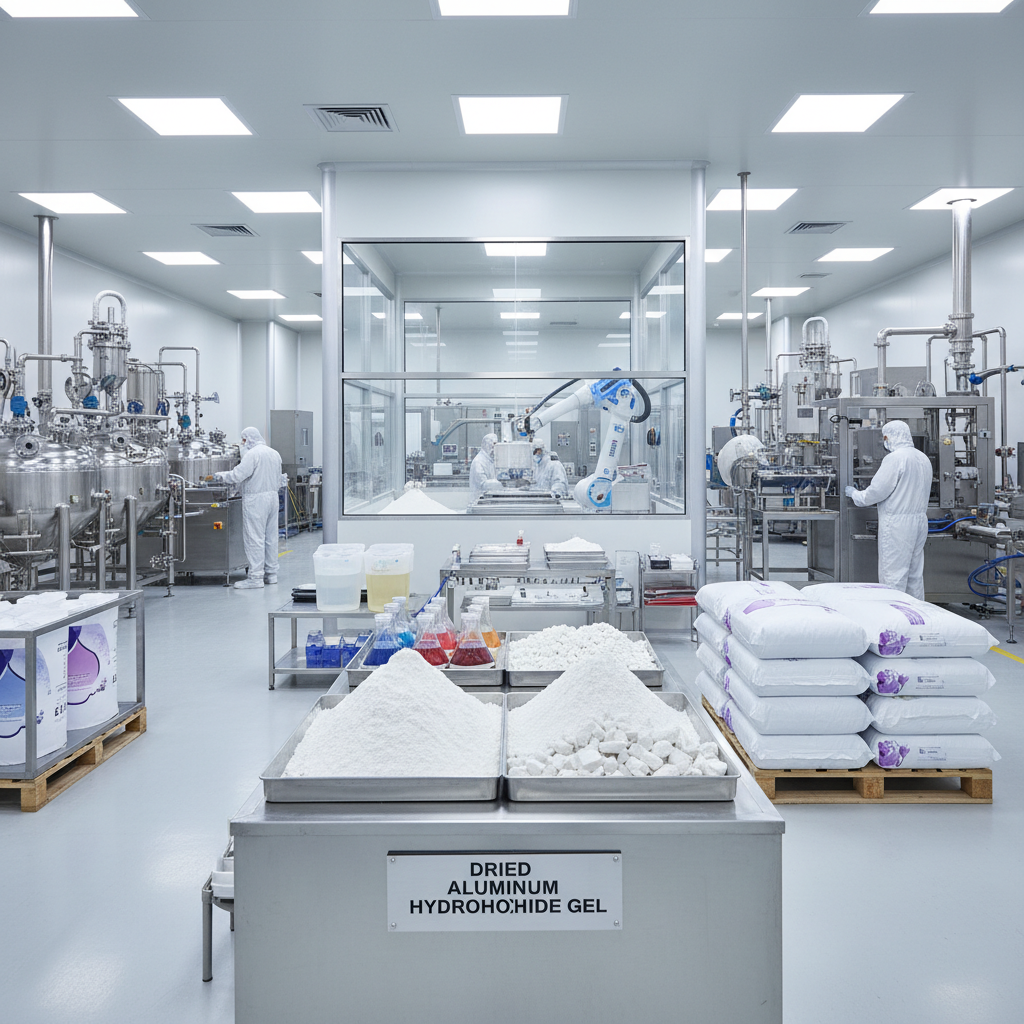
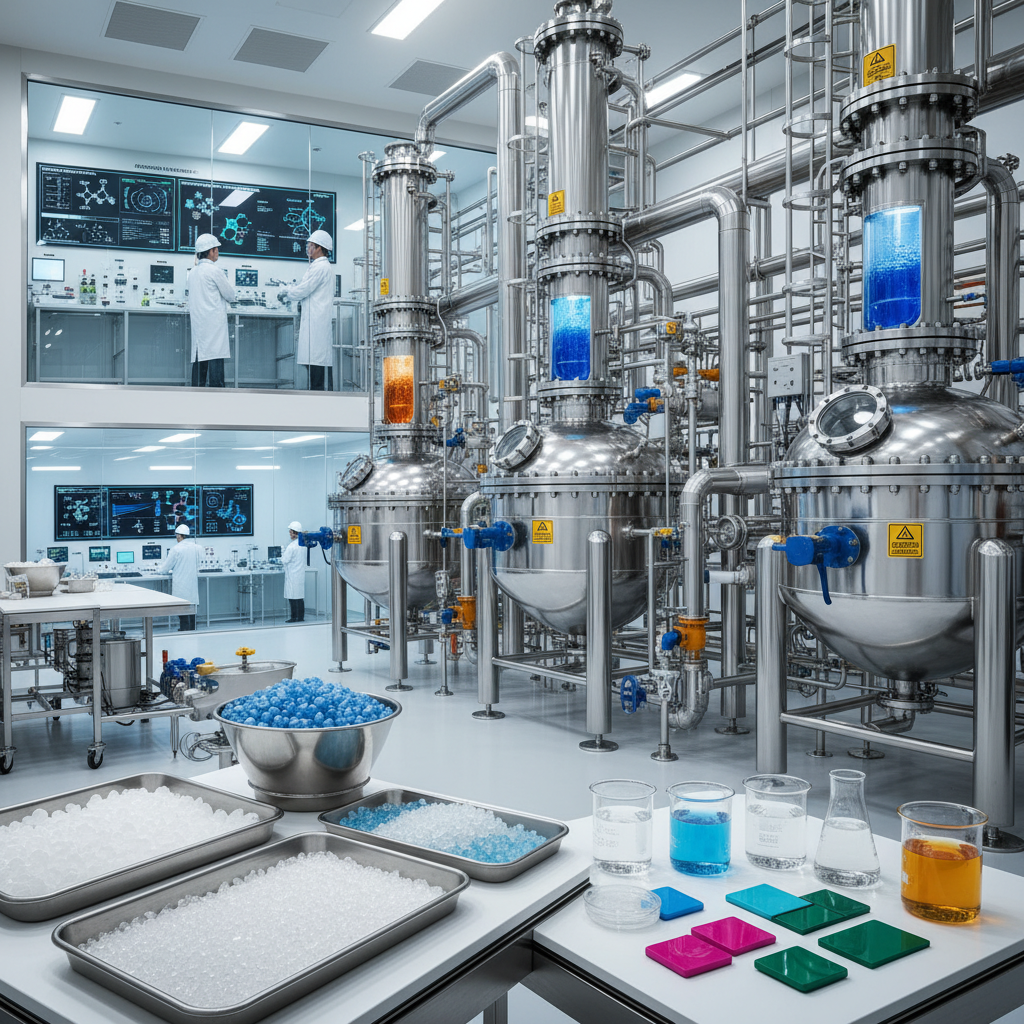
In the intricate landscape of industrial chemistry, the strategic application of acetic acid and formic acid serves as a cornerstone for numerous manufacturing processes. These two organic acids, while structurally similar, offer distinct chemical properties that allow them to function as vital reagents, solvents, and catalysts across a spectrum of high-growth sectors, from textile processing to advanced polymer synthesis.
Understanding the nuances between these carboxylic acids is not merely a matter of academic interest but a commercial necessity. The ability to choose between the volatility of formic acid and the versatile stability of acetic acid can significantly impact the efficiency, purity, and cost-effectiveness of a chemical production line, making them indispensable tools for engineers and procurement specialists globally.
As global industries pivot toward more sustainable and precise chemical interventions, the demand for high-purity acetic acid and formic acid has surged. By leveraging these compounds, manufacturers can optimize everything from the pH balance in water treatment to the curing speeds of industrial adhesives, ensuring a balance between performance and environmental compliance.
Global Industrial Relevance of Acetic Acid and Formic Acid
The global market for acetic acid and formic acid is a reflection of the health of the worldwide manufacturing sector. According to industrial trade data, these acids are essential precursors for vinyl acetate monomer (VAM) and various preservatives, with their consumption patterns closely mirroring the growth of the construction and food packaging industries in Asia-Pacific and North America.
However, the industry faces a persistent challenge: balancing the aggressive reactivity of these acids with the need for safer handling and reduced environmental footprints. As ISO standards for chemical safety tighten, the move toward higher purity grades and more stable delivery systems has become a primary focus for chemical suppliers and industrial end-users alike.
Defining the Chemical Profiles of Acetic and Formic Acids
At its most basic level, acetic acid is a colorless liquid with a pungent odor, primarily known as the main component of vinegar, but in an industrial context, it is a powerful solvent and a key building block for polymers. Its structural stability makes it an ideal choice for processes requiring a consistent pH buffer or a reliable medium for acetylation reactions.
Formic acid, the simplest carboxylic acid, is characterized by its higher acidity and stronger reducing properties. This makes it exceptionally effective in leather tanning, silage preservation, and as a catalyst in the rubber industry. Unlike its counterpart, the unique structure of formic acid allows it to act as a hydrogen source in certain advanced chemical syntheses.
Together, acetic acid and formic acid form a versatile toolkit for chemists. While acetic acid provides the framework for many organic esters, formic acid offers the aggressive "bite" needed for rapid descaling or deep penetration in textile dyeing, ensuring that modern humanitarian and industrial needs—from clothing to food security—are met.
Core Components Governing Chemical Performance
When analyzing the utility of acetic acid and formic acid, the first key factor is Reactivity and Acidity. The pKa values of these acids determine how they interact with substrates; formic acid's higher acidity allows it to catalyze reactions that acetic acid simply cannot, particularly in the rapid breakdown of mineral scales in industrial boilers.
Secondly, Solubility and Volatility play a critical role. Both acids are miscible in water and many organic solvents, but their evaporation rates differ. This allows engineers to select the specific acid based on whether they need a residue-free evaporation (formic) or a more controlled, lingering solvent effect (acetic) during the production of synthetic resins.
Finally, Cost-to-Performance Ratio is the deciding factor in large-scale operations. While one may be more reactive, the other may be more economical for bulk applications. The synergy of acetic acid and formic acid in a blended system often allows manufacturers to achieve high-speed results without the exorbitant costs associated with exotic catalysts.
Practical Application Metrics and Efficiency
The efficiency of utilizing acetic acid and formic acid varies depending on the target outcome. In the textile industry, for example, the penetration rate of the acid into the fabric determines the uniformity of the dye. Formic acid typically exhibits a faster reaction time, whereas acetic acid provides a more stable environment for delicate fibers.
To quantify these differences, industrial labs measure performance across several vectors, including dissolution speed, pH stability over time, and the rate of byproduct formation. These metrics ensure that the chosen acid aligns with the operational goals of the facility, whether that is maximum throughput or ultra-high purity.
Performance Comparison of Acetic Acid and Formic Acid Methods
Global Use Cases in Modern Manufacturing
In the realm of rubber chemistry, acetic acid and formic acid are indispensable for the coagulation of natural rubber. In Southeast Asian processing plants, formic acid is often preferred for its ability to produce a more consistent curd, which directly translates to higher-grade rubber sheets used in the automotive tire industry.
Beyond rubber, these acids are critical in the agricultural sector. Formic acid is widely used in livestock feed to prevent the growth of Salmonella and other pathogens, while acetic acid finds its way into the production of specialty fertilizers. In remote industrial zones, the availability of these acids often dictates the feasibility of local leather tanning and textile finishing operations.
Long-Term Value and Sustainability Advantages
The transition toward "Green Chemistry" has highlighted the long-term value of acetic acid and formic acid. Because they are biodegradable and can be derived from biomass (via fermentation), they offer a sustainable alternative to harsher synthetic mineral acids, reducing the toxic load on wastewater treatment systems.
From a logical standpoint, the reliability of these acids reduces operational downtime. Their well-understood kinetics allow for precise automation in dosing systems, ensuring that factories can maintain a high "Right-First-Time" ratio. This reliability fosters trust between chemical suppliers and manufacturers, creating a stable supply chain.
Emotionally, the shift toward these organic acids represents a commitment to safety and dignity for the workers on the plant floor. By replacing more volatile or hazardous chemicals with managed concentrations of acetic acid and formic acid, companies can improve workplace air quality and reduce the risk of severe chemical burns.
Future Innovations in Organic Acid Synthesis
Looking forward, the synthesis of acetic acid and formic acid is being revolutionized by carbon capture and utilization (CCU) technologies. Researchers are developing catalysts that can convert captured CO2 directly into formic acid, effectively turning a greenhouse gas into a valuable industrial feedstock.
Digital transformation is also playing a role, with AI-driven molecular modeling allowing chemists to create specialized blends of these acids for "smart materials." These blends can trigger reactions only under specific temperature or light conditions, opening new doors in 3D printing and biocompatible polymers.
As automation increases, the integration of real-time pH sensors and autonomous dosing pumps will minimize waste. This evolution ensures that acetic acid and formic acid remain relevant in a future defined by circular economy principles and zero-waste manufacturing.
Core Analysis of Acetic and Formic Acid Future Integration
| Innovation Driver |
Technical Approach |
Expected Impact |
Sustainability Score (1-10) |
| CO2 Capture |
Electrochemical Reduction |
Negative Carbon Footprint |
10 |
| Bio-Fermentation |
Genetically Modified Yeast |
Renewable Feedstock |
9 |
| AI Optimization |
Predictive Kinetic Modeling |
Zero-Waste Dosing |
8 |
| Smart Polymers |
Triggered Acetylation |
Advanced Material Properties |
7 |
| Closed-Loop Recovery |
Membrane Separation |
Reduced Chemical Discharge |
9 |
| Hybrid Catalysis |
Metal-Organic Frameworks |
Increased Reaction Speed |
6 |
FAQS
The primary difference lies in their acidity and chemical structure. Formic acid is a stronger acid and a reducing agent, making it superior for rapid descaling, leather tanning, and silage preservation. Acetic acid is more stable and serves as a key precursor for polymers like VAM and as a general-purpose solvent. Choosing between them depends on whether your process requires aggressive reactivity or stable chemical synthesis.
Yes, provided that appropriate materials of construction are used. Both acids are corrosive to carbon steel; therefore, stainless steel (316L) or high-density polyethylene (HDPE) tanks are required. Proper ventilation and PPE are essential, as both emit pungent vapors that can irritate the respiratory system. Following ISO safety guidelines ensures secure long-term storage.
Absolutely. Many industrial formulations use a blend of acetic acid and formic acid to balance reaction speed with stability. For example, in some textile dyeing processes, formic acid provides the initial rapid pH drop, while acetic acid maintains the buffer for a longer duration to ensure color uniformity across the fabric.
Organic acids like acetic and formic are generally more biodegradable than mineral acids (such as sulfuric or hydrochloric acid). They break down more quickly in biological wastewater treatment plants, reducing the long-term ecological impact on aquatic life. This makes them the preferred choice for companies striving for "Green Chemistry" certification.
Acetic acid is typically preferred for pH control in water treatment due to its lower volatility and more predictable buffering capacity. It provides a smoother adjustment of pH levels without the risk of over-acidification, which can occur more easily with the stronger formic acid. However, formic acid may be used in specific industrial descaling cycles where rapid acidification is required.
Importing these chemicals requires compliance with International Maritime Dangerous Goods (IMDG) codes due to their corrosive nature. It is recommended to work with a supplier that provides full MSDS documentation, certified purity analysis (COA), and specialized packaging (such as IBC tanks) to ensure safe transit and customs clearance across international borders.
Conclusion
The strategic integration of acetic acid and formic acid into industrial workflows is a testament to the enduring power of organic chemistry. From the foundational needs of rubber and textile production to the cutting-edge requirements of carbon-capture technology, these acids provide the necessary reactivity, solubility, and sustainability to drive global manufacturing forward. By understanding their unique profiles, industries can optimize efficiency while reducing their environmental footprint.
As we look toward a future of circular economies and AI-optimized production, the role of these acids will only expand. We encourage manufacturers and procurement officers to transition toward high-purity, sustainably sourced organic acids to ensure long-term operational resilience and safety. To explore our full range of high-grade chemical solutions, visit our website: www.tengerchemical.com.