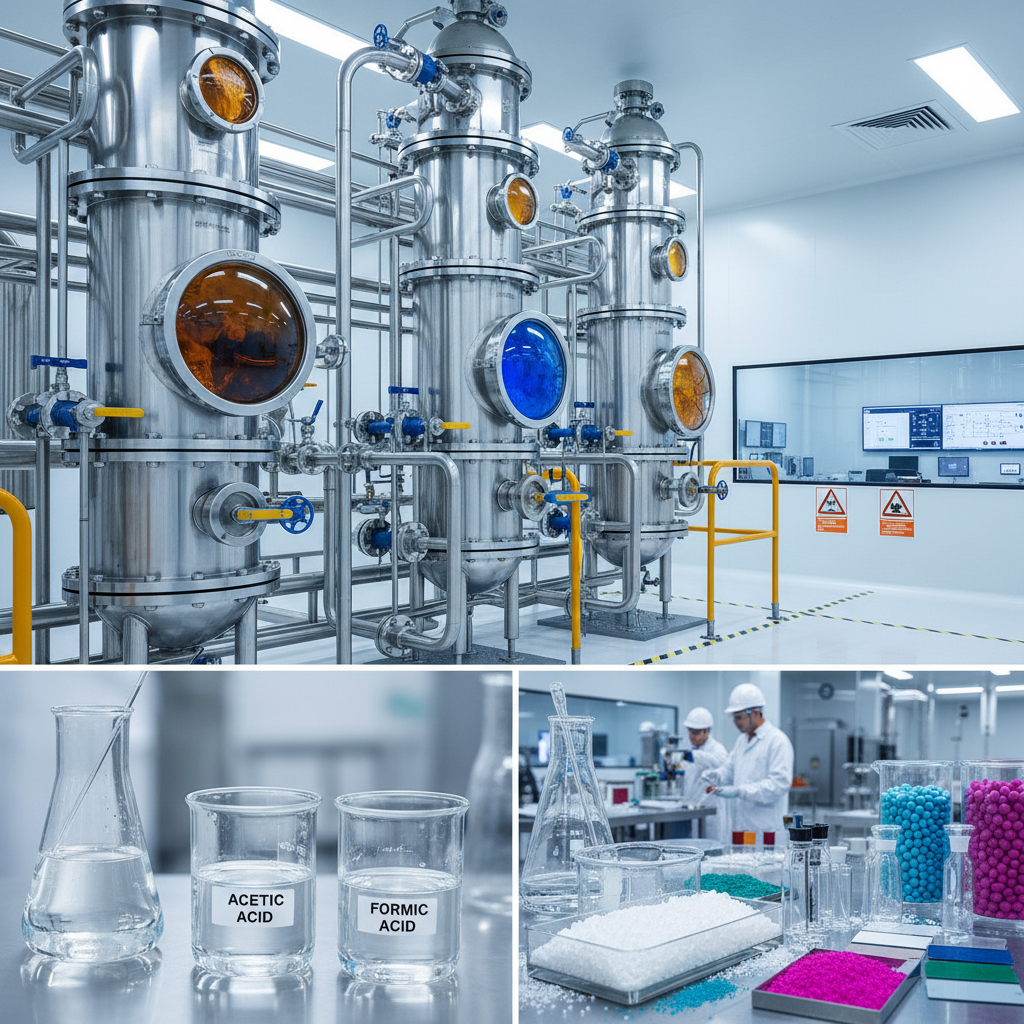
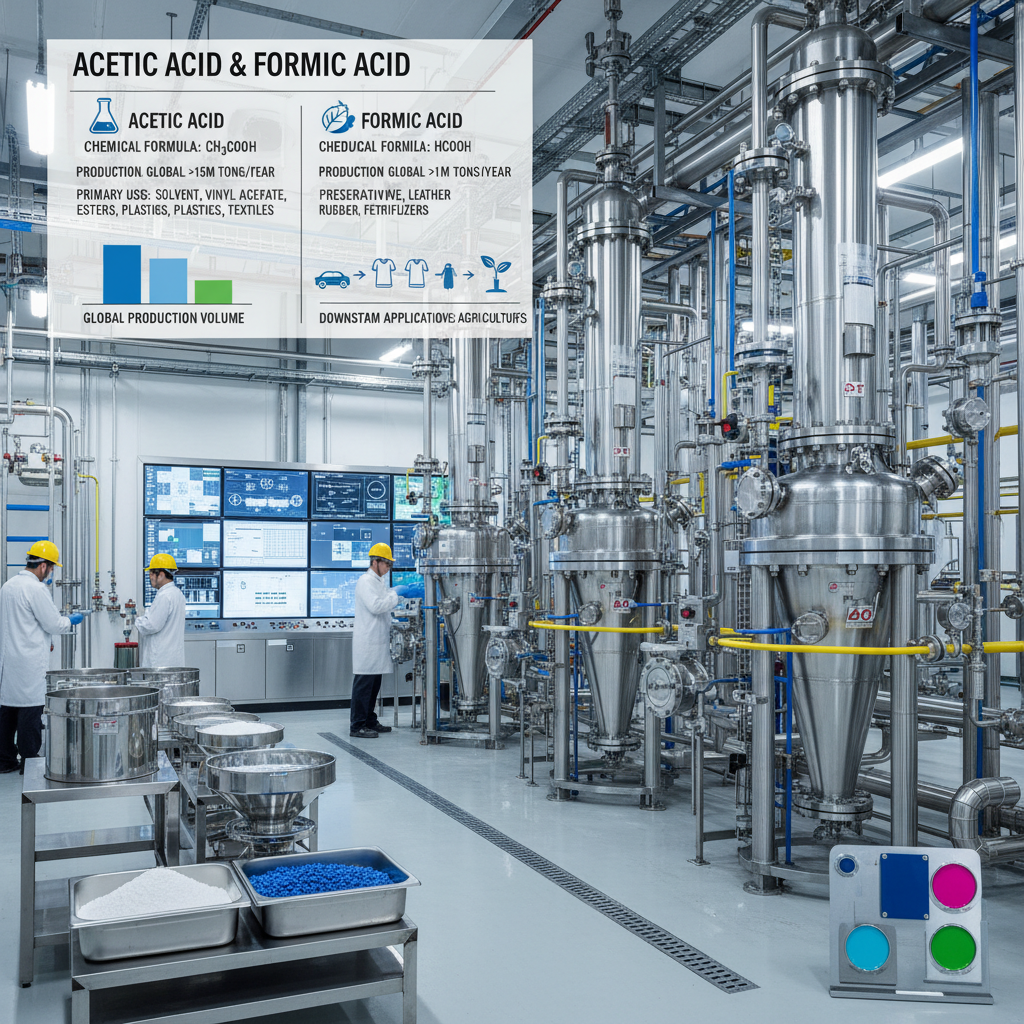
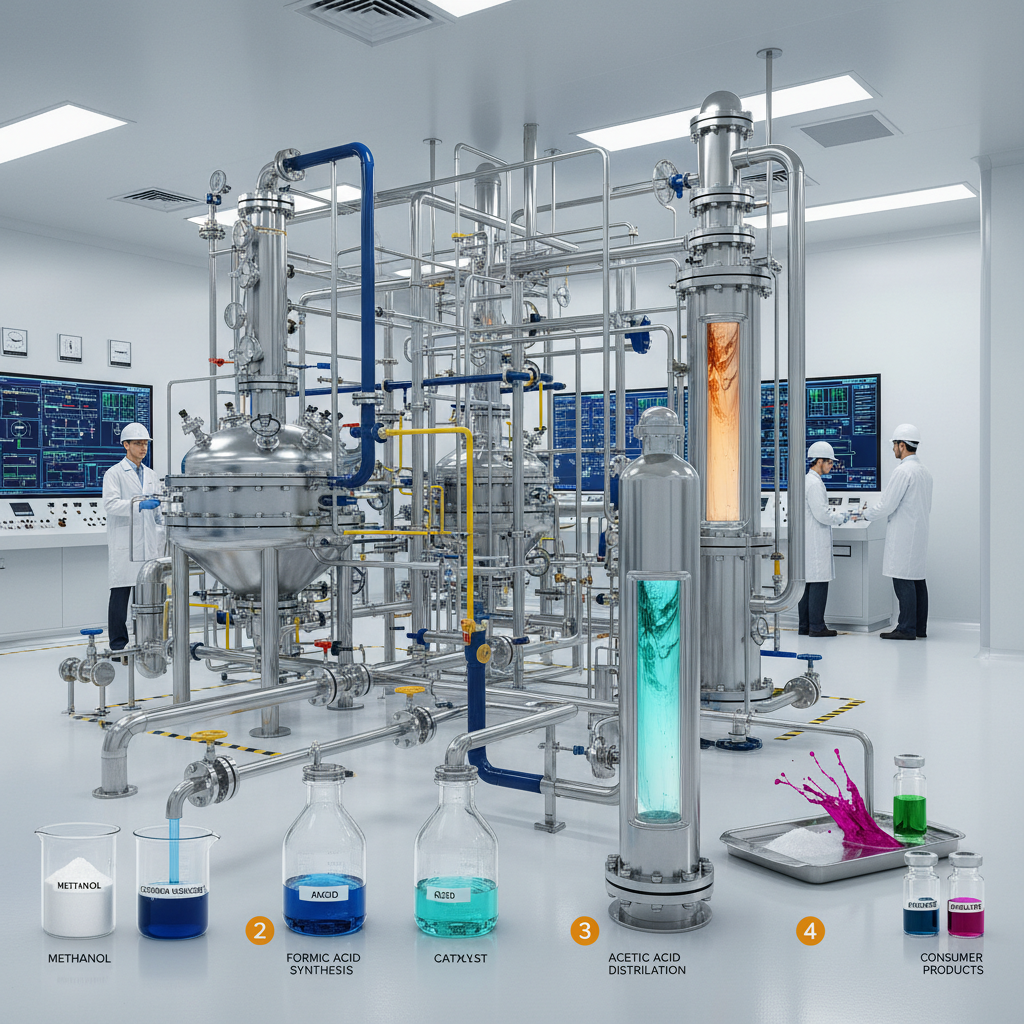
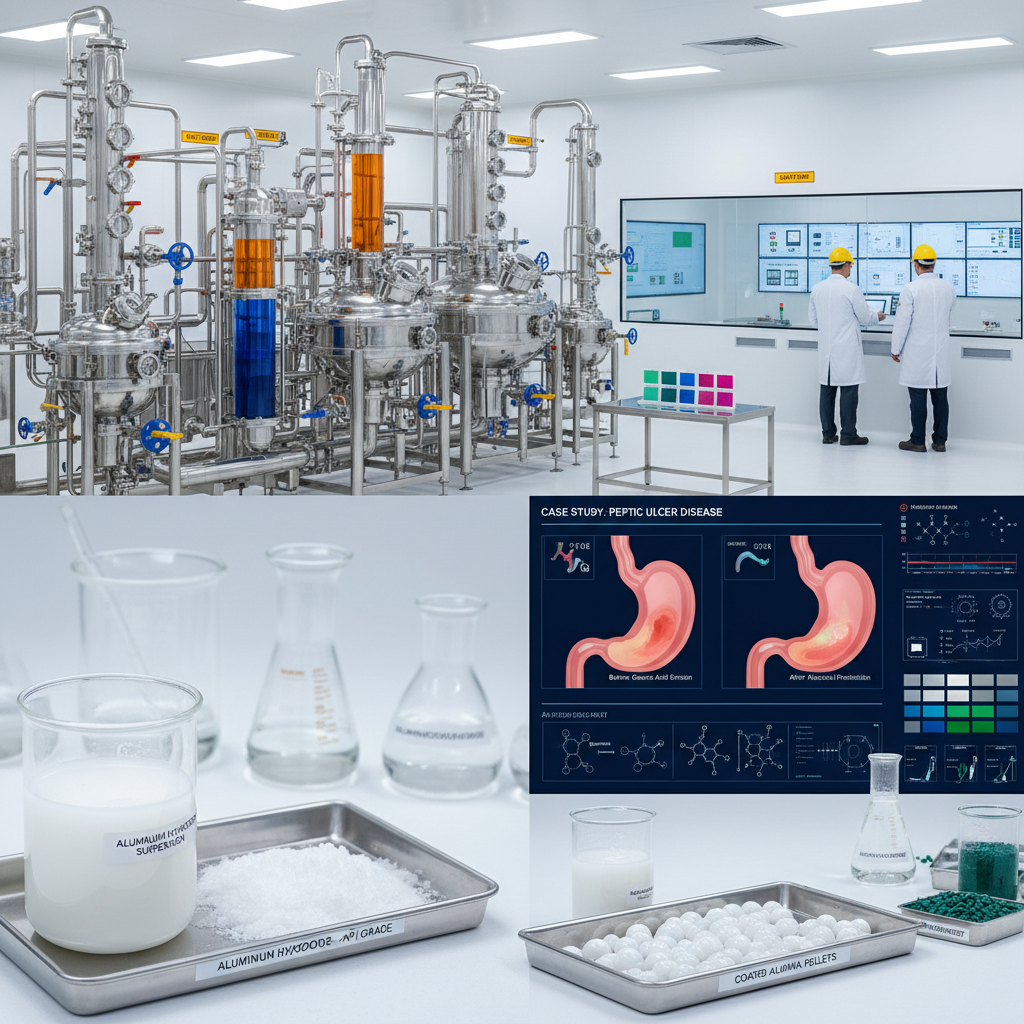
In the complex landscape of organic chemistry, the synergy between acetic acid formic acid derivatives plays a pivotal role in driving industrial innovation. These carboxylic acids are not merely lab reagents but are the foundational building blocks for everything from high-performance polymers to essential food preservatives and livestock feed additives. Understanding their interplay allows manufacturers to optimize chemical synthesis, improve product stability, and reduce waste in large-scale production environments.
Across the global manufacturing sector, the strategic application of acetic acid and formic acid has become a benchmark for efficiency in the synthesis of synthetic resins and plastics. As industries shift toward more sustainable practices, the demand for high-purity organic acids has surged, pushing the boundaries of catalytic carbonylation and bio-based fermentation. The ability to precisely control the acidity and reactivity of these compounds determines the quality of end-products in the textile, leather, and pharmaceutical sectors.
For procurement managers and chemical engineers, mastering the technical nuances of acetic acid formic acid blends is essential for maintaining a competitive edge. Whether it is ensuring the correct pH for a water treatment process or achieving the desired viscosity in a resin formulation, these chemicals provide the versatility needed to solve complex material science challenges. This guide explores their global context, technical attributes, and the future of their application in a green economy.
Global Market Dynamics of Acetic Acid Formic Acid
The global trade of acetic acid formic acid is characterized by high volume and extreme sensitivity to raw material costs, such as methanol and carbon monoxide. According to recent industrial data, the market for these carboxylic acids has seen a steady CAGR of 4-6%, driven primarily by the expanding plastics industry in Asia-Pacific and the demand for biodegradable preservatives in Europe. The strategic importance of these chemicals lies in their role as precursors to vinyl acetate monomer (VAM), which is indispensable for paints, adhesives, and coatings.
However, the industry faces a significant challenge: the volatility of energy prices and the tightening of environmental regulations regarding VOC emissions. Companies are now forced to migrate from traditional carbonylation methods to more energy-efficient, low-emission processes. This shift is not merely a regulatory requirement but a commercial necessity, as downstream users in the food and pharmaceutical sectors demand a "greener" chemical footprint to satisfy consumer expectations and ISO environmental standards.
Defining the Chemical Properties of Acetic and Formic Acid
At their core, acetic acid formic acid represent the simplest members of the carboxylic acid family. Acetic acid (CH₃COOH) is a colorless liquid with a distinct pungent smell, primarily used in the production of acetic anhydride and various esters. Formic acid (HCOOH), the simplest carboxylic acid, is significantly more reactive and is widely utilized for pH control in silage, leather tanning, and as a detoxifying agent in mining chemicals.
The distinction between these two lies in their molecular structure; formic acid lacks the methyl group present in acetic acid, making it a stronger acid with higher reactivity. This chemical difference means that while acetic acid is often used as a solvent or a feedstock for polymers, formic acid is more frequently employed as a reducing agent or a biocidal agent. Together, they form a versatile toolkit for chemists tasked with modifying the properties of synthetic resins and plastics.
In modern industry, these acids are not just isolated products but are often integrated into complex formulations. For example, in the production of concrete admixtures or water treatment chemicals, the precise balance of these acids helps in regulating coagulation and precipitation. Their ability to exist in various concentrations—from glacial purity to diluted industrial grades—allows them to be tailored to specific humanitarian and industrial needs, such as water purification in remote zones.
Core Factors Influencing Industrial Performance
When evaluating the efficacy of acetic acid formic acid in a production line, chemical purity is the foremost factor. Impurities, even in parts per million, can lead to unwanted side reactions in polymer synthesis, resulting in "yellowing" of plastics or reduced tensile strength in synthetic fibers. High-grade glacial acetic acid ensures that the resulting esters are clear and stable, which is non-negotiable for food-grade additives.
Another critical component is corrosion management. Because these organic acids are highly corrosive to carbon steel, the choice of metallurgy for storage tanks and piping is vital. The use of 316L stainless steel or HDPE liners is standard practice to prevent leakage and contamination. Failure to address material compatibility can lead to catastrophic equipment failure and significant safety risks in industrial chemical zones.
Finally, concentration stability determines the scalability of the process. In the manufacture of rubber chemicals or solvents, a fluctuation of even 1% in the concentration of acetic acid formic acid can shift the equilibrium of the reaction, leading to inconsistent batch quality. Implementing automated dosing systems and real-time pH monitoring is the only way to ensure consistent output across thousands of tons of production.
Global Applications and Multi-Sector Use Cases
The application of acetic acid formic acid spans an incredibly diverse range of sectors. In the agricultural industry, formic acid is used extensively as a preservative in livestock feed to inhibit the growth of Salmonella and other pathogens, enhancing food security. Meanwhile, in the textile industry, acetic acid is used as a neutralizing agent for alkaline dyes, ensuring the vibrancy and longevity of the fabric colors.
Beyond traditional uses, these acids are vital in the mining and rubber sectors. In gold mining, formic acid is used to optimize the leaching process, while in rubber production, acetic acid assists in the coagulation of latex. For instance, in remote industrial zones in Southeast Asia, the availability of high-purity organic acids is the primary driver for the efficiency of local rubber processing plants, directly impacting the export quality of the raw material.
Comparative Industrial Efficiency of Acetic Acid Formic Acid
Long-Term Economic and Environmental Value
Integrating acetic acid formic acid into a closed-loop manufacturing system provides immense long-term value. From a cost perspective, the ability to recover and recycle these acids from waste streams significantly reduces the raw material overhead. Furthermore, the shift toward bio-based acetic acid—derived from the fermentation of biomass—reduces the reliance on fossil-fuel-derived methanol, aligning corporate goals with global ESG (Environmental, Social, and Governance) targets.
Beyond the balance sheet, the social impact of optimizing these chemicals is profound. In the production of food additives and water treatment agents, the reliability and safety of the chemical supply chain ensure that essential services remain affordable and accessible. By investing in high-stability acid formulations, companies build trust with their clients, proving that industrial growth does not have to come at the expense of environmental integrity or human safety.
Future Innovations in Carboxylic Acid Synthesis
The future of acetic acid formic acid is being reshaped by the digital transformation of the chemical industry. The implementation of AI-driven catalysts is allowing researchers to synthesize these acids at lower temperatures and pressures, drastically cutting energy consumption. We are seeing a move toward "smart synthesis," where real-time sensors adjust the reaction parameters in milliseconds to maximize yield and eliminate the formation of by-products.
Moreover, the rise of green hydrogen is opening new doors for formic acid production. Formic acid is increasingly viewed as a liquid organic hydrogen carrier (LOHC), providing a safe and stable way to transport hydrogen for fuel-cell vehicles. This transition elevates formic acid from a simple industrial chemical to a cornerstone of the future energy infrastructure, bridging the gap between renewable energy generation and end-user consumption.
Automation in the logistics of organic acids is also a key trend. Automated warehouse systems and IoT-enabled tankers are reducing the risk of spills and exposure, ensuring that the delivery of acetic acid formic acid is as efficient as the synthesis itself. These innovations ensure that the industry can scale to meet the needs of a growing global population while adhering to the strictest safety protocols.
Overcoming Technical Challenges in Acid Handling
Despite their utility, the handling of acetic acid formic acid presents significant operational challenges. The primary issue is the extreme volatility and pungent odor, which can create hazardous working environments if ventilation is inadequate. To combat this, industry leaders are adopting advanced scrubbing systems and closed-loop vapor recovery units that capture acid fumes and reintegrate them into the production cycle.
Another hurdle is the tendency of these acids to absorb moisture from the air (hygroscopy), which can dilute the concentration and alter the reaction kinetics. The solution lies in the use of nitrogen blanketing in storage tanks, which displaces oxygen and moisture, preserving the "glacial" purity of the acid. This technical rigor is essential for maintaining the high standards required for food-grade and pharmaceutical-grade applications.
Finally, the logistics of transporting hazardous acids across borders requires strict adherence to IMDG and ADR regulations. By utilizing specialized ISO tanks and implementing rigorous driver training programs, companies can mitigate the risk of transport accidents. The following table summarizes the critical management dimensions for maintaining quality and safety during the lifecycle of these acids.
Technical Management Matrix for Organic Acid Handling
|
Management Dimension
|
Risk Factor
|
Mitigation Strategy
|
Performance Impact
|
| Material Selection |
Pitting Corrosion |
316L Stainless Steel/PTFE |
9/10 - High Durability |
| Storage Environment |
Moisture Absorption |
Nitrogen Blanketing |
10/10 - Pure Concentration |
| Vapor Control |
Respiratory Irritation |
Closed-loop Scrubber |
8/10 - Safety Compliance |
| Quality Control |
Batch Inconsistency |
Real-time pH Monitoring |
9/10 - Product Stability |
| Logistics |
Leakage/Spillage |
Certified ISO Tankers |
7/10 - Supply Reliability |
| Waste Management |
Water Pollution |
Neutralization Tanks |
8/10 - Eco-Sustainability |
FAQS
The primary difference lies in their molecular structure and reactivity. Formic acid is the simplest carboxylic acid and is generally stronger and more reactive, making it ideal for biocidal applications and pH regulation in feed. Acetic acid is slightly weaker and is more commonly used as a solvent or a precursor for polymers and esters. While both are organic acids, the choice between them depends on the required acidity and the specific chemical reaction needed for the end product.
Yes, provided they meet the purity standards set by regulatory bodies like the FDA or EFSA. In food-grade applications, "glacial" or high-purity grades are used to ensure there are no toxic by-products or metallic contaminants. They are widely used as acidulants and preservatives. However, strict dilution protocols must be followed to ensure the final product is safe for human consumption and maintains the desired flavor profile.
Prevention starts with the correct material selection. Avoid carbon steel at all costs. The industry standard is 316L stainless steel, which provides excellent resistance to organic acids. For highly concentrated formic acid, PTFE-lined piping or high-density polyethylene (HDPE) tanks are recommended. Additionally, implementing a regular ultrasonic thickness testing schedule for tanks can help detect early signs of corrosion before they lead to leaks.
Yes, this is one of the most exciting innovations in green chemistry. Formic acid can act as a liquid organic hydrogen carrier (LOHC). It can be produced by reacting CO2 with hydrogen and then decomposed back into hydrogen and CO2 using a catalyst when energy is needed. This allows for the safe, liquid-state transport of hydrogen at room temperature, solving the immense challenges associated with high-pressure gas tanks or cryogenic liquid hydrogen.
Traditional production often relies on methanol carbonylation, which has a carbon footprint linked to fossil fuels. However, the industry is shifting toward bio-fermentation and CO2 capture technologies. By using biomass or captured carbon to produce acetic and formic acid, manufacturers can create a carbon-neutral cycle. Furthermore, improving waste-water treatment through neutralization ensures that these acids do not disrupt local aquatic ecosystems.
Concentration is critical because it dictates the reaction rate and the molecular weight distribution of the resulting polymer. In the synthesis of synthetic resins, an incorrect concentration of acetic acid formic acid can lead to premature chain termination or unwanted branching. This results in materials with poor mechanical properties or inconsistent viscosity, which can cause failure in the final plastic product.
Conclusion
The strategic integration of acetic acid formic acid is fundamental to the success of modern chemical manufacturing, from the production of high-performance synthetic resins to the preservation of global food supplies. By balancing technical purity, rigorous corrosion management, and innovative synthesis methods, industries can maximize their operational efficiency while minimizing environmental impact. The versatility of these carboxylic acids ensures they remain indispensable across diverse sectors, including textiles, mining, and water treatment.
Looking forward, the transition toward bio-based production and the role of formic acid in the hydrogen economy signal a new era of sustainable chemistry. Companies that embrace these innovations and prioritize safety and ESG standards will not only ensure their long-term viability but will also lead the charge toward a greener industrial future. We invite you to explore our high-purity chemical solutions to optimize your production line. Visit our website: www.tengerchemical.com