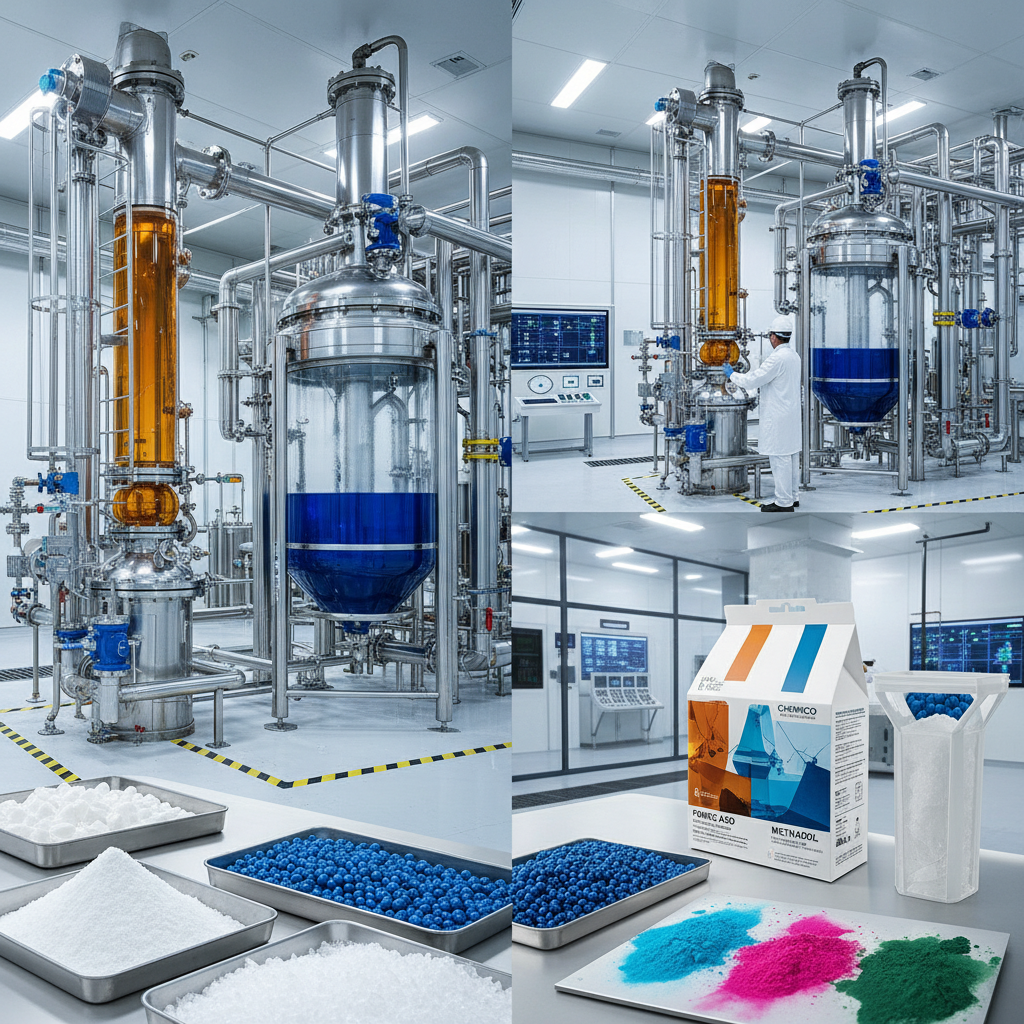
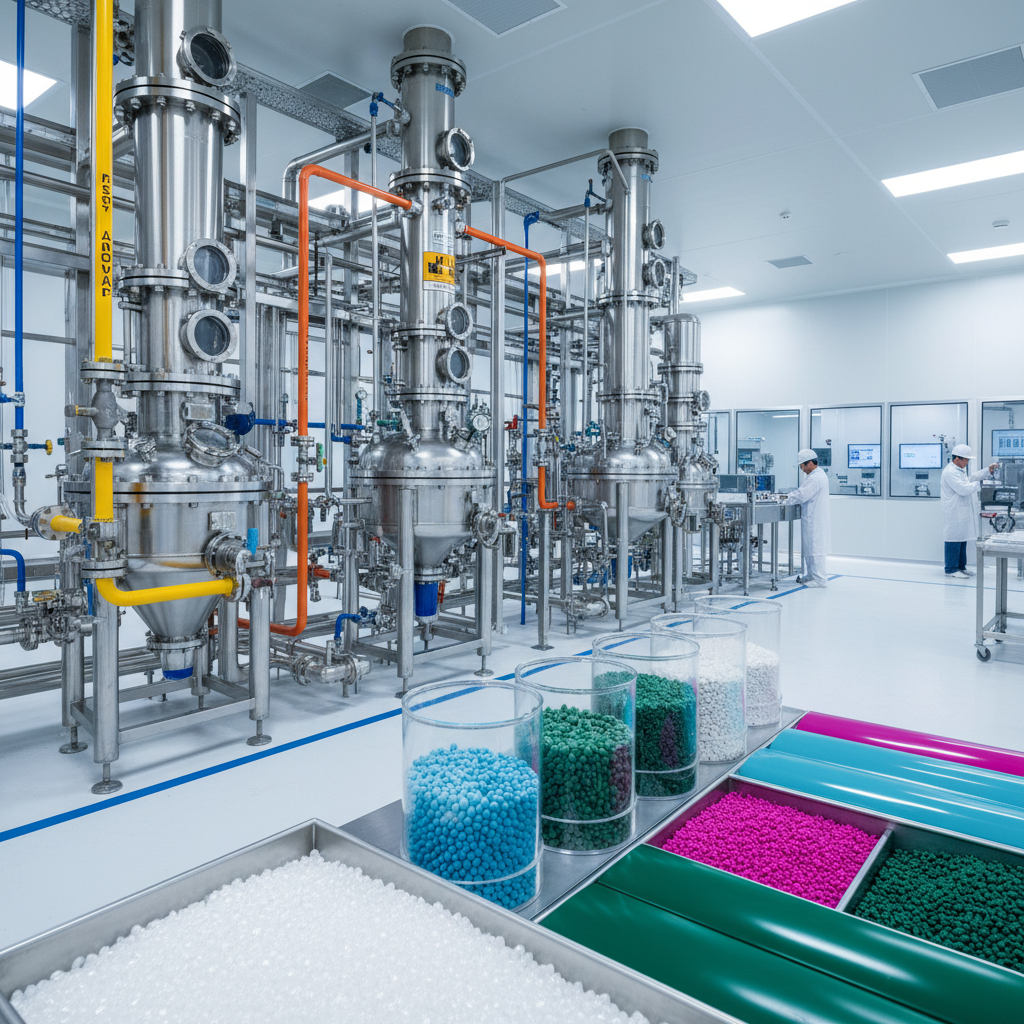
Formic acid products represent a cornerstone of modern chemical manufacturing, serving as vital intermediates across a vast spectrum of industrial applications. From the stabilization of livestock feed to the precise synthesis of synthetic resins, these versatile chemical solutions provide the reactivity and acidification necessary for complex industrial processes. Understanding the nuanced properties of formic acid products is essential for companies aiming to optimize production efficiency and ensure the stability of their final chemical output.
On a global scale, the demand for high-purity formic acid derivatives is driven by the expansion of the leather, textile, and agricultural sectors. As industries shift toward more sustainable and bio-based precursors, the role of these products has evolved from simple acidification agents to sophisticated building blocks in green chemistry. The ability to control the concentration and purity of these chemical solutions directly impacts the quality of everything from high-performance rubber to advanced water treatment flocculants.
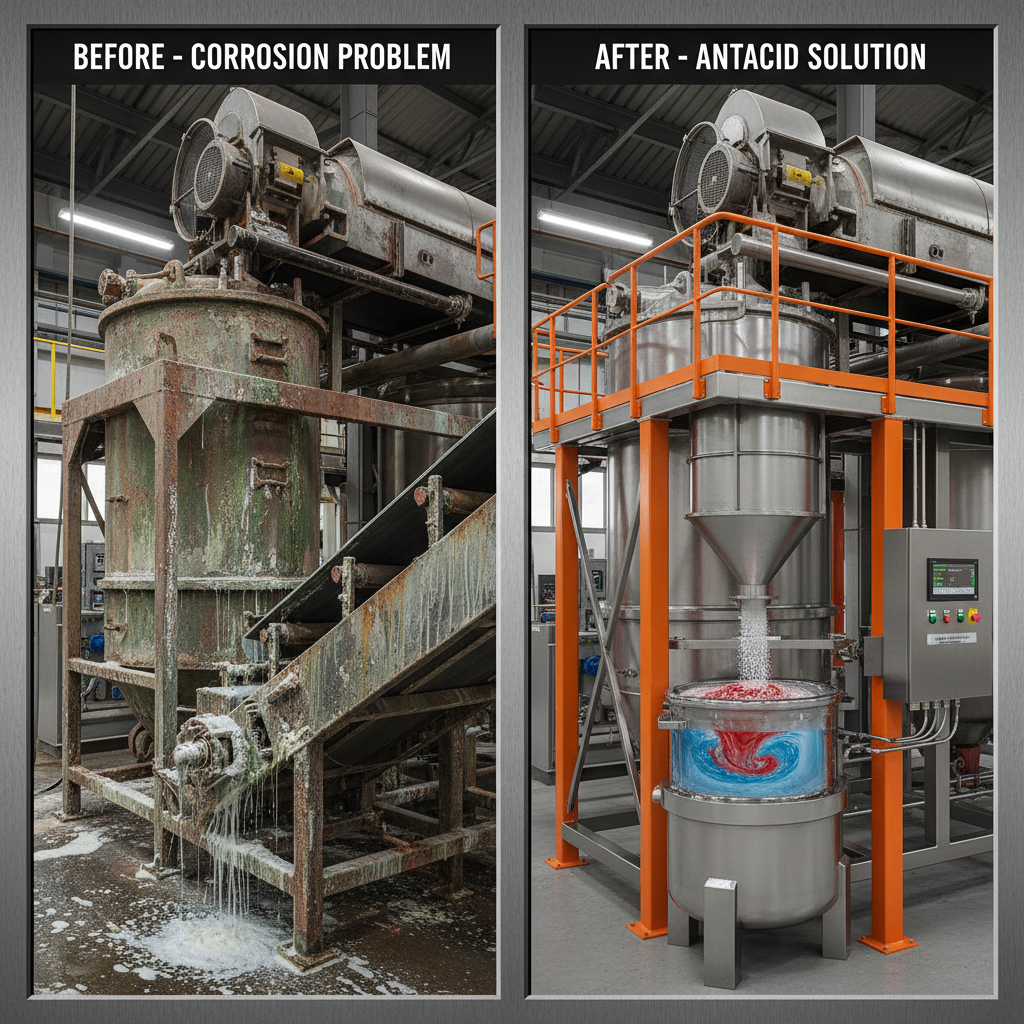
However, navigating the technical complexities of handling and implementing formic acid products requires a balance of safety, cost-efficiency, and environmental compliance. Many manufacturers face challenges in preventing corrosion and managing the volatile nature of the acid while attempting to maximize its catalytic potential. By integrating advanced delivery systems and high-grade chemical formulations, industries can unlock the full commercial value of these essential chemical assets.
Global Relevance and Market Dynamics of Formic Acid Products
The global market for formic acid products is characterized by its critical role in the supply chains of emerging economies. With the surge in leather tanning and textile processing in Asia and South America, the strategic availability of high-concentration formic acid has become a benchmark for industrial productivity. Market data indicates a steady CAGR as the transition toward bio-derived acids accelerates, reducing reliance on fossil-fuel-based synthesis.
Beyond simple commerce, these chemicals address a fundamental industrial challenge: the need for a strong, biodegradable organic acid that can operate efficiently in diverse pH environments. Whether it is used as a preservative in livestock silage or as a coagulant in rubber production, the global reliance on these products ensures that innovation in their purity and delivery remains a top priority for chemical engineers worldwide.
Definition and Industrial Meaning of Formic Acid Products
In technical terms, formic acid products refer to the range of aqueous solutions, salts (such as sodium formate), and derivatives of methanoic acid (HCOOH). These products are the simplest carboxylic acids, providing a unique combination of high acidity and solubility. In the context of modern manufacturing, they are not merely "ingredients" but active agents that catalyze reactions, regulate acidity, and inhibit microbial growth.
Their connection to humanitarian and essential needs is profound. For example, in the agricultural sector, formic acid products are indispensable for the preservation of animal feed, preventing the growth of molds and salmonella, which in turn secures the global food supply chain. This intersection of chemistry and food security highlights the essential nature of these products beyond their raw commercial value.
Furthermore, in the realm of synthetic resins and plastics, these products act as critical catalysts. They enable the precise polymerization required to create durable, high-strength materials used in construction and automotive industries. This versatility makes formic acid a linchpin in the transition from raw chemical feedstock to finished high-value industrial goods.
Core Components and Quality Factors
The effectiveness of formic acid products is primarily determined by their purity levels and concentration. Industrial grades typically range from 85% to 94%, where the remaining percentage is primarily water. High purity is critical in pharmaceutical and food-grade applications to avoid contamination from heavy metals or organic impurities that could compromise the final product.
Another key factor is stability and corrosion resistance. Because formic acid is highly corrosive to many metals, the quality of the storage and transport containers—often involving high-density polyethylene (HDPE) or specially lined stainless steel—is a core component of the product's overall value proposition. Ensuring a stable molecular structure prevents degradation during long-distance shipping.
Finally, the scalability of the production process defines the cost-efficiency of these chemicals. By optimizing the carbonylation of methanol or the hydrolysis of methyl formate, manufacturers can ensure a consistent supply of high-grade formic acid products that meet ISO standards, allowing downstream industries to scale their operations without fearing feedstock volatility.
Practical Performance and Efficiency Metrics
When evaluating the performance of different formic acid formulations, industry professionals look at the "reaction yield" and "acid consumption rate." In the leather industry, for instance, the ability of the acid to penetrate hides efficiently determines the quality of the tanning process. Higher purity products generally result in lower waste and a more uniform finish, reducing the total cost of ownership for the manufacturer.
To better understand the comparative efficacy, we analyze various grades of formic acid products based on their stability, purity, and cost-effectiveness across different industrial sectors.
Performance Efficiency of Formic Acid Product Grades
Global Applications and Use Cases
In the rubber industry, formic acid products are utilized as a coagulation agent for natural rubber latex. By rapidly lowering the pH, the acid induces the coagulation of rubber particles, allowing for the efficient separation of the solid rubber from the serum. This process is vital in Southeast Asian rubber plantations, where the consistency of the acid concentration determines the elasticity and tensile strength of the final rubber sheets.
Beyond rubber, these chemicals find extensive use in the textile industry for dyeing and finishing. They act as a pH regulator in the dyeing bath, ensuring that colors are absorbed evenly into the fabric. In remote industrial zones, the use of stabilized formic acid products allows manufacturers to maintain high quality without needing constant on-site laboratory adjustments, streamlining the production of high-export textiles.
Long-Term Value and Sustainability Advantages
The long-term value of formic acid products lies in their biodegradable nature. Unlike some synthetic strong acids, formic acid breaks down naturally in the environment, reducing the ecological footprint of industrial wastewater. For companies adhering to ESG (Environmental, Social, and Governance) criteria, switching to high-efficiency, bio-based formic acid derivatives is a strategic move toward sustainable manufacturing.
From a financial perspective, the reliability of these products translates to reduced downtime and lower waste. When a manufacturer uses a consistent, high-purity grade of acid, the predictability of the chemical reaction reduces the number of rejected batches. This logical progression from "cheap input" to "high-quality input" saves millions in operational costs over a decade of production.
Emotionally and ethically, the shift toward safer, more sustainable formic acid products fosters trust between the chemical supplier and the end-user. In an era of strict regulatory scrutiny, providing a product that ensures worker safety and minimizes environmental toxicity is not just a business advantage—it is a commitment to industrial dignity and innovation.
Future Trends and Technological Innovations
The future of formic acid products is inextricably linked to the hydrogen economy. Formic acid is increasingly viewed as a liquid organic hydrogen carrier (LOHC). Because it can store hydrogen in a stable liquid form at room temperature and release it via catalytic decomposition, it solves one of the biggest challenges in green energy: the safe transport and storage of hydrogen gas.
Digital transformation is also hitting the chemical sector. Smart dosing systems and IoT-enabled sensors are now being integrated with the delivery of formic acid products to ensure the exact amount of acid is used in real-time. This automation eliminates human error and maximizes the efficiency of the chemical reaction, significantly reducing waste.
Furthermore, we are seeing a rise in "Circular Chemistry," where CO2 is captured from industrial emissions and converted directly into formic acid. This carbon-capture-and-utilization (CCU) approach transforms a waste product into a valuable industrial asset, potentially making formic acid one of the first truly carbon-negative industrial chemicals.
Comparative Analysis of Formic Acid Application Trends
| Application Sector |
Current Tech Level |
Future Innovation |
Sustainability Score (1-10) |
| Leather Tanning |
High |
Closed-loop recovery |
7 |
| Animal Feed |
Medium |
Encapsulated delivery |
9 |
| Hydrogen Storage |
Emerging |
High-efficiency catalysts |
10 |
| Textile Dyeing |
High |
AI-driven pH control |
6 |
| Rubber Coagulation |
Medium |
Bio-sourced acid feed |
8 |
| Water Treatment |
Medium |
Synergistic polymer blends |
7 |
FAQS
The primary difference lies in the purity level and the strictness of the manufacturing process. Food-grade formic acid products undergo more rigorous filtration and testing to ensure the absence of heavy metals and toxic impurities, making them safe for use in livestock feed and food preservation. Industrial grade is suitable for tanning and rubber production where high purity is beneficial but not legally mandated for safety.
Formic acid is highly corrosive to most metals. It should be stored in containers made of high-density polyethylene (HDPE), polypropylene, or specialized stainless steel (316L) with appropriate linings. Storage areas should be well-ventilated, cool, and equipped with secondary containment systems to manage potential leaks and protect the surrounding infrastructure.
Yes, bio-based formic acid products are chemically identical to synthetic ones but are derived from renewable feedstocks or CO2 capture. They offer the same performance metrics in terms of acidity and reactivity while providing a significantly lower carbon footprint, making them the preferred choice for companies aiming for sustainability certifications.
Formic acid acts as a Liquid Organic Hydrogen Carrier (LOHC). It allows hydrogen to be stored in a stable, liquid state, which is much easier and safer to transport than compressed hydrogen gas. When needed, the formic acid is passed over a catalyst to release the hydrogen, making it a game-changer for green energy logistics.
The ideal concentration depends on the sensitivity of your substrate. For rubber coagulation, 85% is often standard, whereas some textile processes require diluted solutions to avoid damaging delicate fibers. We recommend performing a titration test and a pilot batch to determine the optimal balance between reaction speed and material integrity.
Yes, formic acid products are corrosive and can cause severe burns to the skin and eyes. Inhalation of vapors can irritate the respiratory system. It is mandatory to use Personal Protective Equipment (PPE), including acid-resistant gloves, goggles, and face shields, and to ensure that emergency eyewash stations are readily available in the workspace.
Conclusion
In summary, formic acid products are far more than simple chemical additives; they are foundational tools that drive efficiency in the rubber, leather, agricultural, and energy sectors. By focusing on purity, stability, and sustainable sourcing, manufacturers can significantly enhance their production quality while reducing their environmental impact. The transition from traditional industrial applications to advanced roles in hydrogen storage and carbon capture underscores the enduring relevance of these versatile chemicals.
Looking forward, the integration of green chemistry and digital automation will likely redefine how these products are produced and utilized. We suggest that industrial players proactively adopt bio-based derivatives and smart dosing technologies to stay competitive in an increasingly regulated global market. Embracing these innovations today ensures a safer, more efficient, and sustainable industrial future for all stakeholders. Visit our website for more professional chemical solutions: www.tengerchemical.com